



A fun coloring lesson at home takes 3 kinds of preparation: a quiet, bright space, age-safe supplies, and a varied stash of pages. This guide walks through organizing it step by step: sparking interest, guiding without pressure, and finishing by displaying the artwork.
Why does a coloring lesson matter?
A little structure turns coloring into more than play: it gently teaches your child to get ready, focus on their work, and tidy up afterward. Your child picks up good routines while still having fun.
What to prepare for a coloring lesson
The ideal space
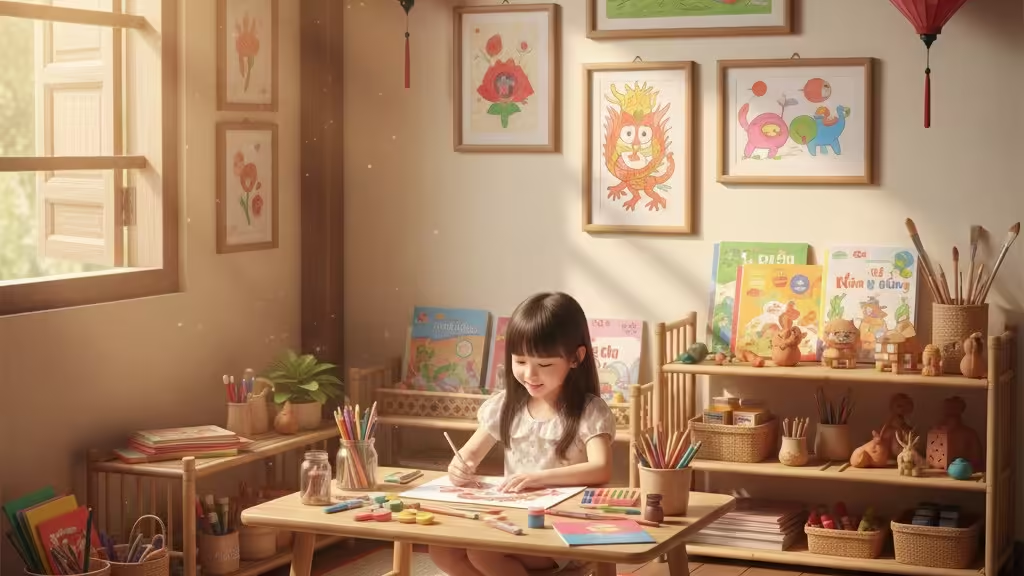
A table and chair sized for your child, with natural light or a white lamp. Turn off the TV and put parents’ phones away so your child isn’t distracted.
Safe, age-appropriate supplies
Round-tipped crayons for little kids, markers for older ones. Print on letter-size paper that is a bit thick so color doesn’t bleed through. Add an apron or an old shirt if your child uses watercolors.
A varied stash of pages
Download free coloring pages and print 5 to 10 across many themes at letter size for your child to choose from. Being able to pick a page they love doubles their excitement.
Steps for running an effective lesson
Step 1: Start with excitement
Don’t order, “Sit down and color.” Spark curiosity instead: “I just downloaded this dinosaur coloring page — isn’t it beautiful?”
Step 2: Guide without imposing
Suggest techniques like coloring from the outside in, but let your child choose the colors. Mistakes are fine, going outside the lines is fine — what matters is that your child is happy.
Step 3: Finish by displaying
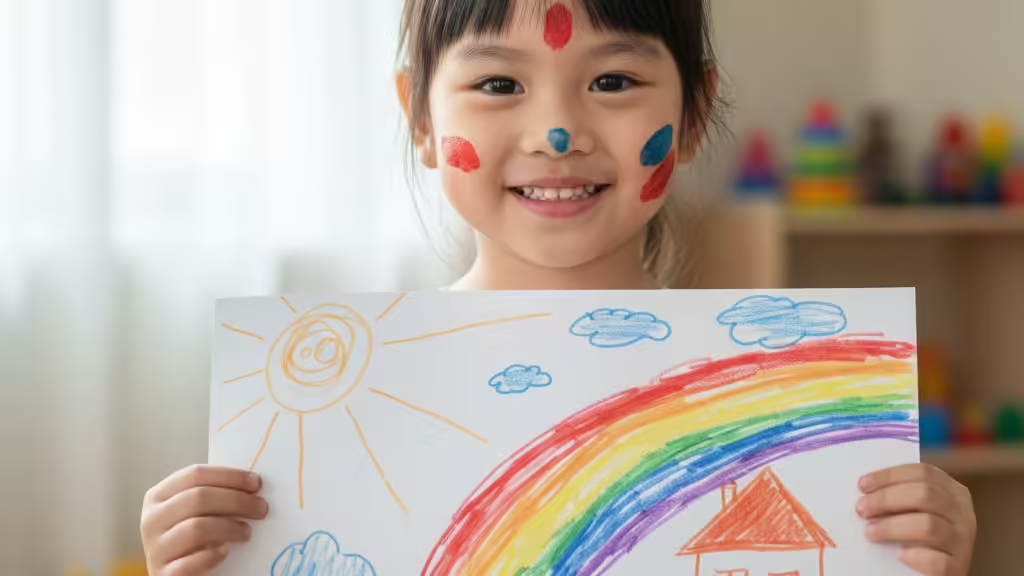
Look at the picture together, give specific praise, and hang it on the wall. Then clean up the supplies together, teaching responsibility.
Keep exploring
- 10 Tips to Get Your Child Excited About Coloring
- How to Choose Coloring Pages for Your Child’s Age
- How to Combine Music and Coloring to Boost Your Child’s Focus
- Cartoon Coloring Pages That Spark Storytelling
- 5 Golden Benefits of Daily Coloring for Kids
- choosing the right crayons for your child
- coloring pages that help kids feel calm and focused
- Telling-Time Clock Coloring Pages for Kids
- Shapes Coloring Pages for Kids
References: UNICEF on the importance of play, HealthyChildren.org, Raising Children Network.
Frequently asked questions
How long should a coloring session last?
20 to 30 minutes for little kids, longer if an older child is deeply absorbed.
When is the best time of day to organize one?
In the afternoon after nap time, or in the evening after dinner, once your child has rested.
What if my child won’t clean up after coloring?
Turn cleanup into a game: race to see who picks up crayons faster, or clean up together with your child.
Can the whole family color together?
Yes, and you should. Family coloring time is a wonderful way to bond on weekends.
How can I prepare coloring pages for the lesson quickly?
The night before, download 3 to 5 PDF pages on the week’s theme and print them at letter size. In the morning, just lay them on the table and you’re ready.
Can a 3- to 4-year-old sit through a full 20-minute lesson?
It’s hard. Split it into two 10-minute rounds, with a 3-minute movement break in between, then color on.


