


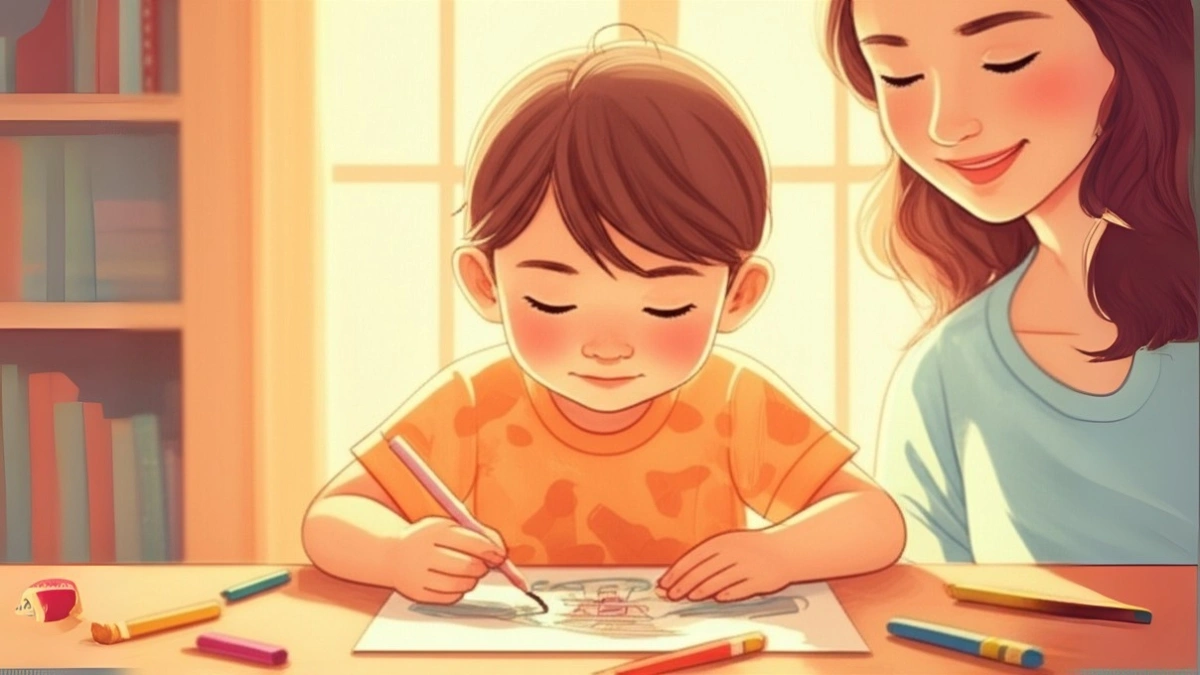
Coloring pages help kids calm down in 3 gentle ways: relieving stress, creating a sense of control, and giving kids a safe space to retreat. Focus also grows through attention to detail, remembering images, and training fine motor skills. If your little one finds it hard to sit still, this one is for you.
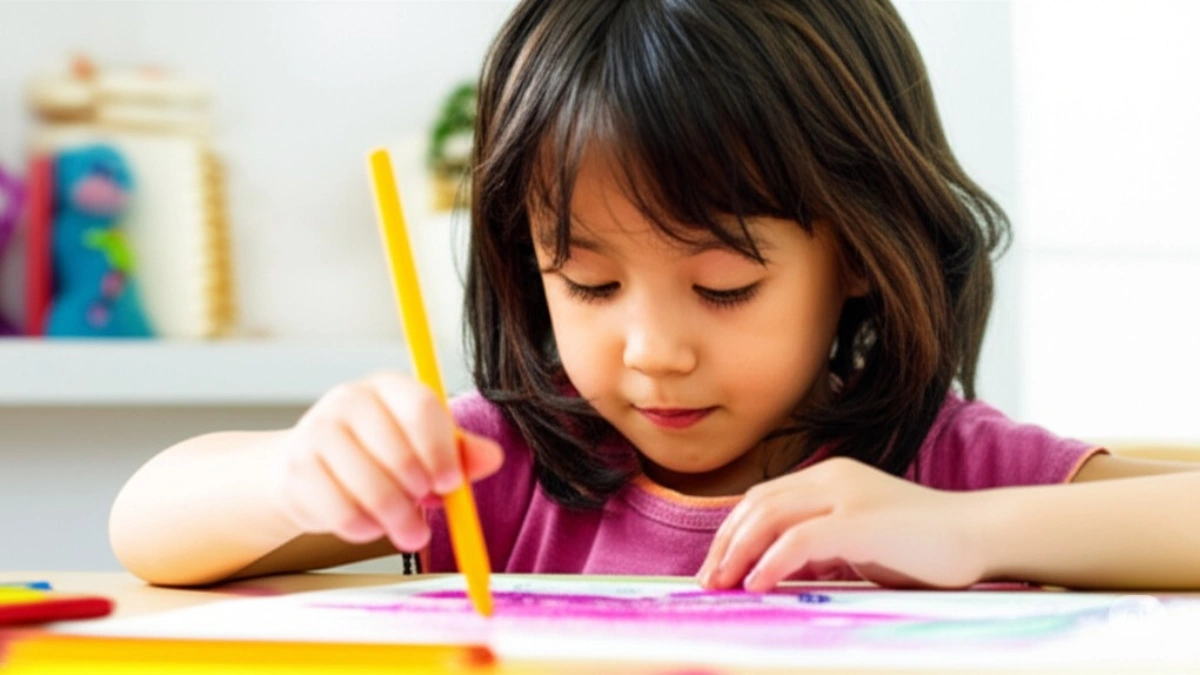
How does coloring help kids calm down?
1. Helping kids escape mild stress and anxiety
The steady rhythm of coloring works like a breathing exercise. After a noisy day at school, 20 minutes coloring simple coloring pages helps a child’s nervous system settle. Many parents notice their child is far less cranky on evenings with coloring time.
2. Creating a sense of control
Young children spend all day following adults’ instructions. When coloring, the child decides everything: which color, what to color first. This sense of being in charge helps kids feel secure and more confident.
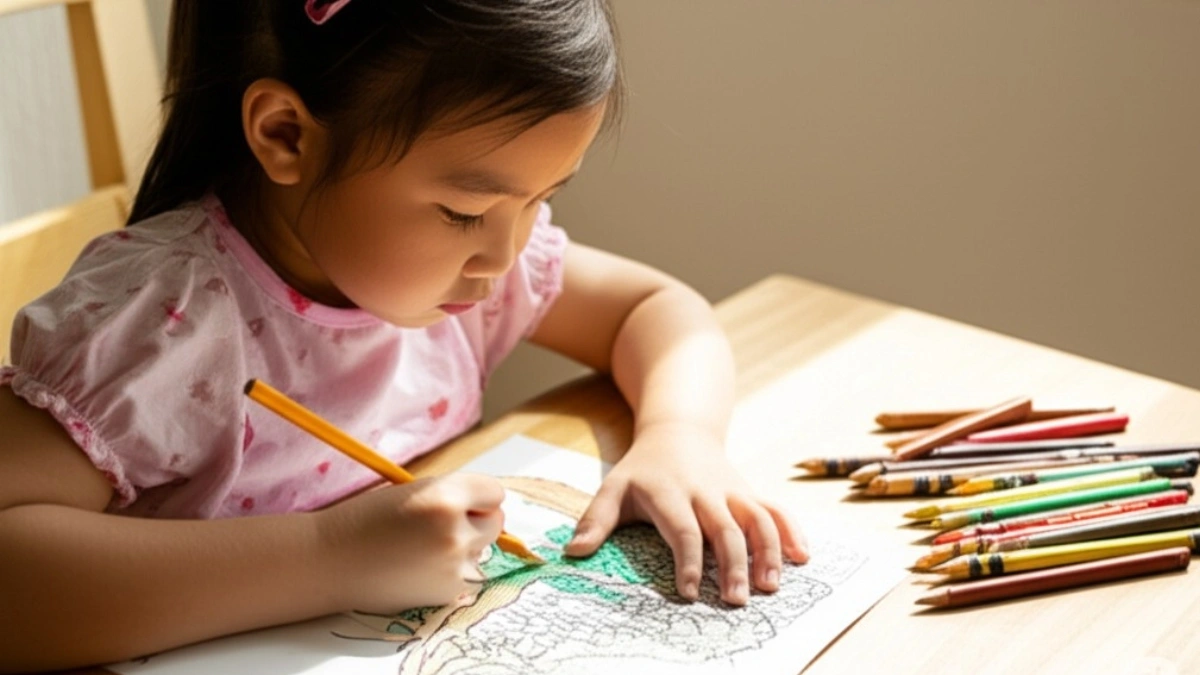
3. A safe space to retreat
A small corner with a few printed letter-size coloring pages is where a child ‘recharges’ emotionally. When your child seems tired or overstimulated, do not push them to keep playing — invite them to color for a while instead.
How do coloring pages improve kids’ focus?
1. Training attention to small details
Coloring a picture well means looking closely at each outline and picking just the right section. With practice, that careful attention shows up at school too.
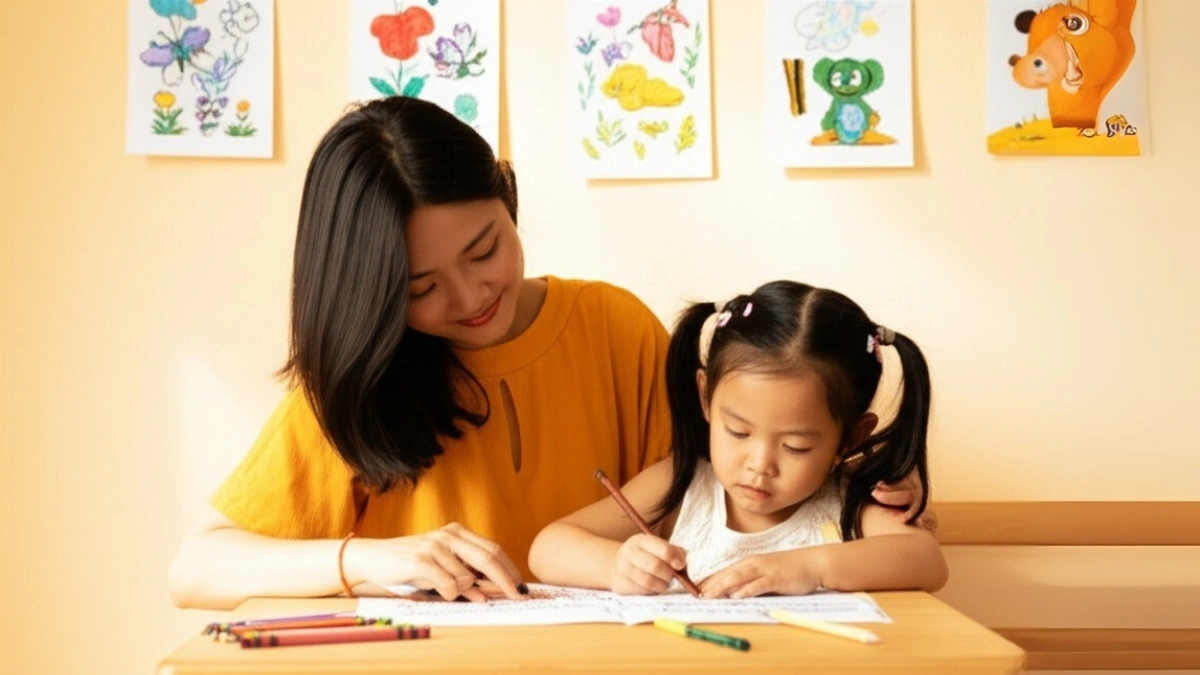
2. Improving memory and visual organization
Kids remember which picture got which colors and which one is still unfinished. Without even realizing it, they are practicing memory and planning.
3. Developing fine motor control
Guiding a crayon neatly along an outline takes real hand-eye coordination — and every page is practice. The more skillful the hands, the easier it is for a child to sit still and focus on other tasks.
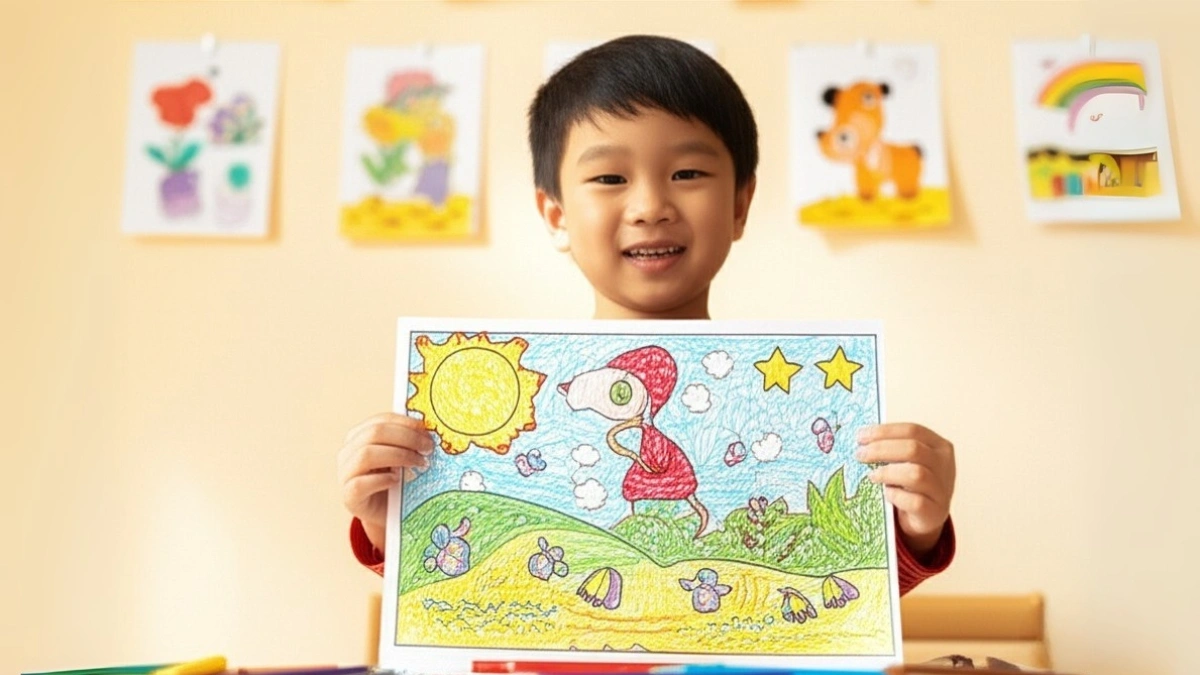
How can parents apply this for active kids?
- Color before study time: 15 minutes of coloring helps a child settle into focus before homework.
- Color when your child is upset: instead of scolding, hand your child crayons and a bold-outline, low-detail coloring page.
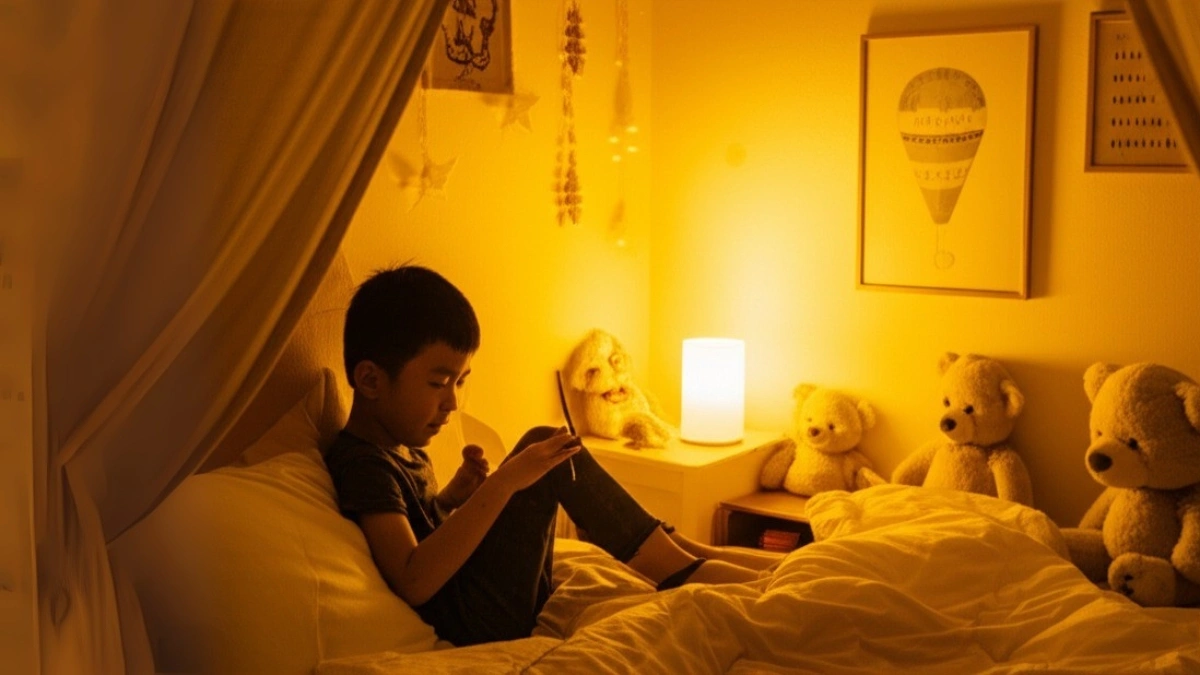
- A fixed space: a small, quiet, well-lit corner reserved just for coloring and reading.
Discover more
- How to Print Coloring Pages for Kids
- Benefits of coloring pages for child development
- How coloring helps children develop imagination
- Discover your child’s personality through favorite colors
- 100+ Capybara Coloring Pages – Cute and Free
- Free coloring page library
- Rainbow coloring pages for kids
- Emotion coloring pages for kids
References: Art Therapy journal (2016), University of Otago (New Zealand).
Frequently asked questions
Can an active child sit still to color?
Yes, if you start with simple pictures and short sessions of 10 to 15 minutes, then increase gradually.
Can coloring replace medication for hyperactivity?
No. Coloring is only a relaxing support activity — a child showing unusual signs should be evaluated by a doctor.
When is the best time of day for kids to color?
Evenings before bed or before study time are the two best moments for a child to settle down and focus.
What if my child still fidgets while coloring?
Do not force it. Your child may not be ready yet, or the picture may be too hard — switch to a simpler one.
Which coloring pages should an active 3-4-year-old start with?
One character, bold outlines, large color areas; 10-15 minutes at a time, then increase gradually. Do not expect your child to sit for a long time right away.
Should I download coloring page PDFs and print a whole week’s worth in advance?
Yes. Print 5-7 pictures your child likes in advance and keep them in the coloring corner — ready whenever your child needs one, so parents do not have to search for pictures every evening.


