

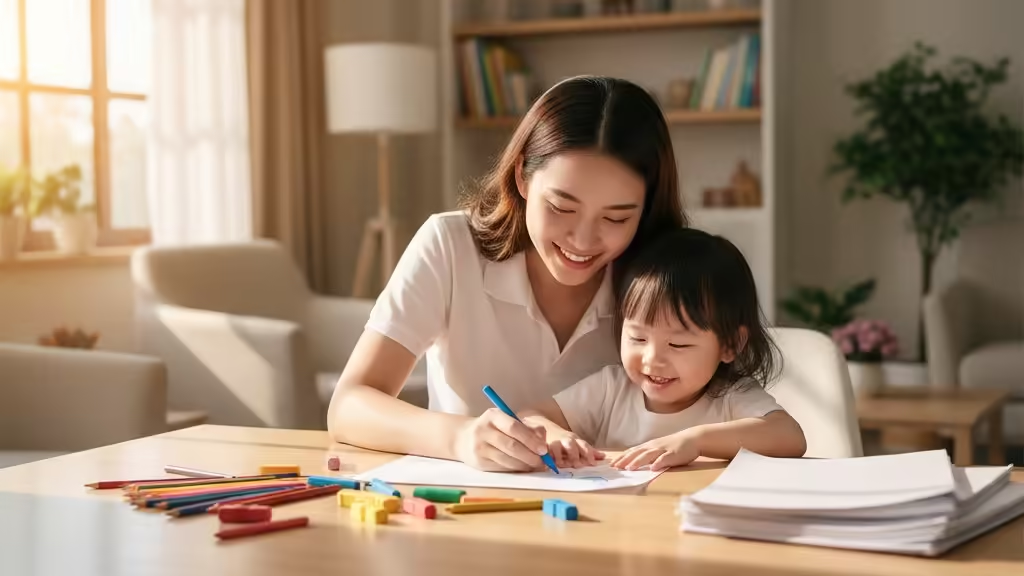
Choosing safe crayons and coloring paper for kids takes 4 criteria: certified non-toxic, age-appropriate tips, easy to wash off, and paper thick enough. This article points out 5 mistakes parents often make, plus expert advice for safe coloring every day.
Why does choosing safe supplies matter so much?
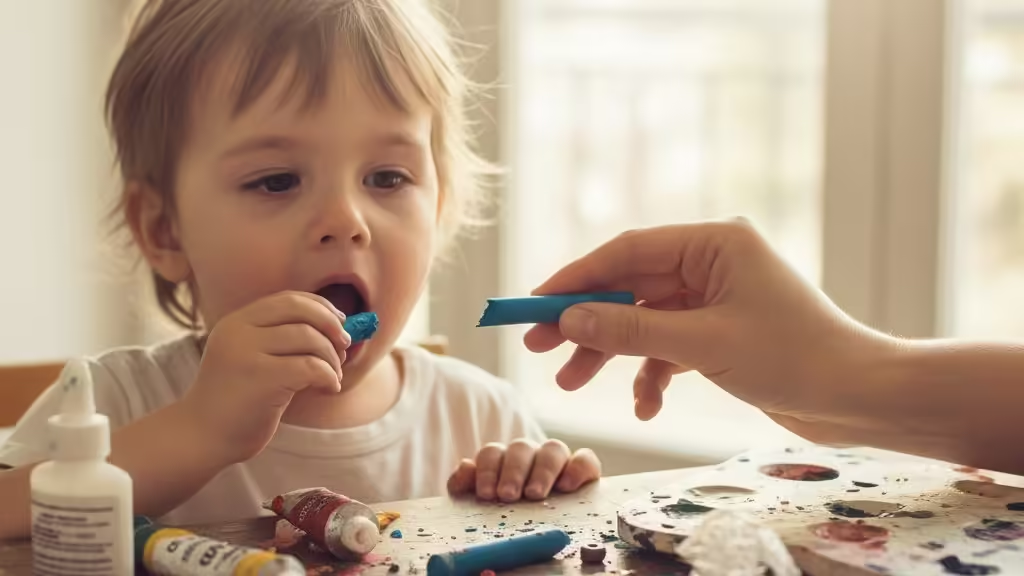
Little kids tend to chew on crayons and smear color on their faces. Poor-quality crayons may contain lead or harmful chemicals. Getting it right from the start gives parents peace of mind and lets kids create freely.
Criteria for choosing safe crayons for your child
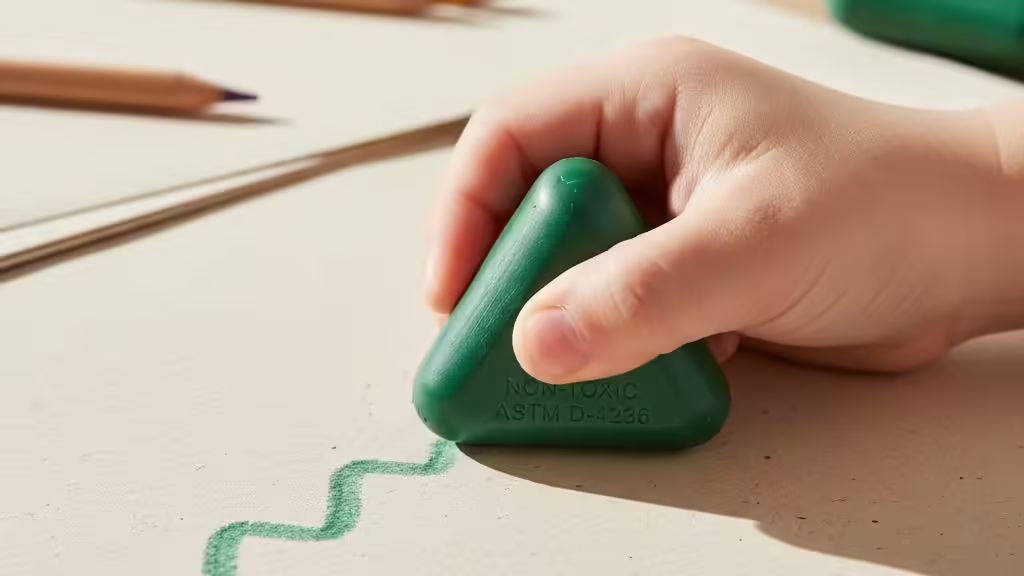
- Non-toxic: packaging clearly marked non-toxic, meeting ASTM D-4236 or EN-71 standards.
- Age-appropriate tips: kids under 5 should use round tips and avoid sharp points.
- Washable: color on hands and clothes washes off easily.
- True, even color: good crayons lay down even color without pressing hard and tiring your child’s hand.
How to choose paper that meets the standard
- At least 120gsm thick: thin copy paper tears easily and lets color bleed through — especially when your child colors letter-size printouts with markers.
- Slightly rough surface: helps crayon color grip better than glossy paper.
- Letter size: fits your child’s hands and most home printers.
- Recycled paper: safe and teaches your child to care for the environment.
5 common mistakes when choosing coloring supplies
- Buying cheap, unbranded crayons of unknown origin.
- Choosing sharp-tipped pens for kids under 5.
- Using thin copy paper to print pages for your child, so color bleeds and tears.
- Buying too many colors at once and overwhelming your child.
- Forgetting to check the expiration dates on watercolors and glue.
Expert advice
Start with a basic set of 12 to 24 good-quality colors instead of a 100-color set of poor quality — for simple coloring pages, 12 colors are plenty. Watch how your child uses them for a while before adding more. And remember: good supplies are only half of it; a parent’s company is what your child needs most.
Keep exploring
- How to Print Coloring Pages for Kids the Easy Way
- How Coloring Pages Support Your Child’s Development
- How Does Coloring Help Develop a Child’s Imagination?
- Why Coloring Pages Help Kids Feel Calm and Focused
- coloring benefits for brain development
- choosing coloring pages by age
- coloring with your child every day
- Chiikawa Coloring Pages for Kids
- Ponyo Coloring Pages for Kids
References: FDA.gov, WHO.int on product safety for children.
Frequently asked questions
Are non-toxic crayons really safe if my child chews on them?
Much safer than regular crayons, but parents should still discourage chewing on crayons as a habit.
How many colors should a beginner buy?
12 to 24 colors is enough. Too many colors overwhelm little kids and make choosing hard.
Can regular copy paper be used for coloring?
It works temporarily with crayons, but it’s thin and tears easily. Invest in thicker paper for a better experience.
How do I store crayons so they last?
Cap them after use, store in a dry place, and keep out of direct sunlight.
What is the safest crayon type for ages 2 to 3?
Chunky, round-tipped, non-toxic crayons. Avoid sharp tips and markers, since kids this age often chew crayons and smear color on their faces.
If I download printable PDF coloring pages, what paper weight at letter size works for watercolors?
200gsm or heavier, and specialty drawing paper is even better. 70-80gsm copy paper only suits crayons and colored pencils.


