


Combining coloring pages and storytelling brings double benefits: your child develops language, imagination, and a closer bond with parents. This article suggests 4 activities: storytelling from ready-made pages, inventing stories from free coloring, role-playing characters, and making your child’s own picture book.
Double benefits from coloring and storytelling
Language and thinking development
Telling stories from pictures helps your child put ideas together into complete sentences. Their vocabulary grows naturally with every story.
Sparking imagination and feelings
Your child steps into the shoes of a character in a fairy-tale or cartoon coloring page and imagines what happens next. It’s a wonderful exercise in empathy and creativity.
Strengthening family bonds
Story time is when parents truly listen to their child. Your child feels respected and loved.
4 unique combination activities
1. Storytelling from ready-made coloring pages
Choose cartoon coloring pages with many characters and settings — like Doraemon or Totoro — so your child has plenty of storytelling material. After coloring, challenge them to tell what is happening in the picture.
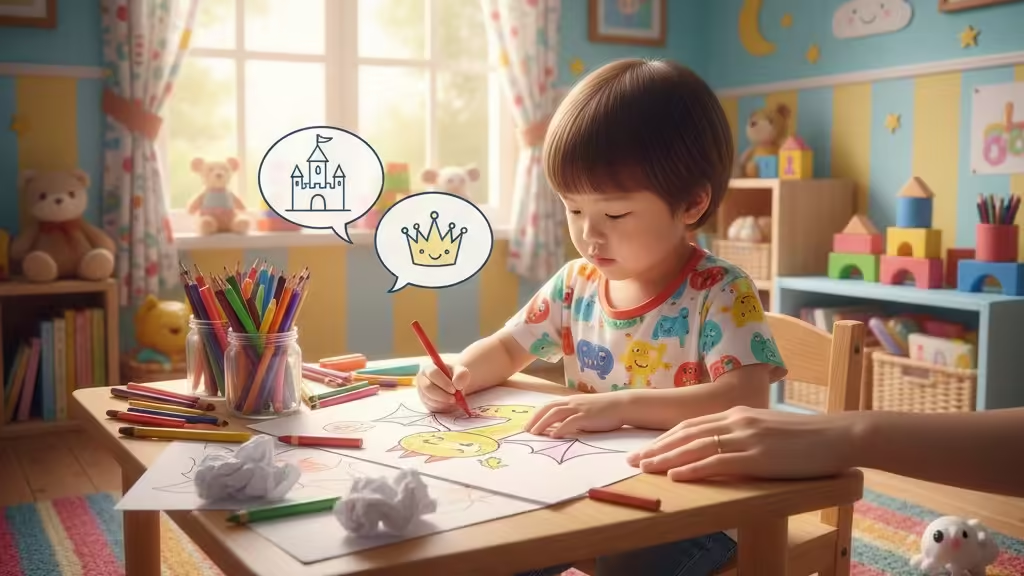
2. Inventing stories from free coloring
Let your child color completely freely, then invent a story about that picture. There is no right or wrong — the wilder, the more fun.

3. Parent and child role-playing characters
Each person picks a character from the picture to play and talk in character. Your child learns to express themselves by acting it out.

4. Making your child’s picture book
Staple letter-size pages your child has colored into a book, and let your child write — or ask a parent to write down — the story under each picture. Your child has a book of their very own.
Keep exploring
- Why Parents Should Color With Their Kids Every Day
- Cartoon Coloring Pages That Spark Storytelling
- Vietnamese Festival Coloring Pages: Teaching Kids About Culture
- Coloring Together as a Family: The Secret to Bonding
- brain development through coloring
- choosing coloring pages by age
- teaching kids to tell stories through coloring
- Totoro Coloring Pages for Kids
- Fairy-Tale Castle Coloring Pages for Kids
References: Research on the impact of art on health, the role of creativity in child development (NAEYC).
Frequently asked questions
What if my child is shy about telling stories?
Tell the first part yourself, then invite your child to continue. Don’t make them tell a story alone right away.
When is the best time to combine storytelling?
Right after your child finishes coloring, when they already feel connected to the picture.
Does it matter if my child’s story is illogical?
Not at all. At this age, imagination matters more than logic.
How do I combine storytelling with a 3- to 4-year-old who doesn’t speak clearly yet?
Parents open with 1 to 2 sentences, then your child continues. Choose simple pages with few characters so they aren’t overwhelmed.
Which printable PDF coloring themes make storytelling easiest for kids?
Fairy-tale and cartoon pages with characters your child already knows — knowing the characters’ personalities makes inventing the next part of the story feel natural. Download and print at letter size and you’re ready to go.


