Hướng dẫn tô màu và thông tin bộ tranh Free Printable Tree Coloring Pages for Kids (PDF Download)
Nurture your child's love for nature with 50+ free printable tree coloring pages! This diverse collection features simple trees, fruit trees, forests, and more. Download the high-quality A4 PDF files instantly.
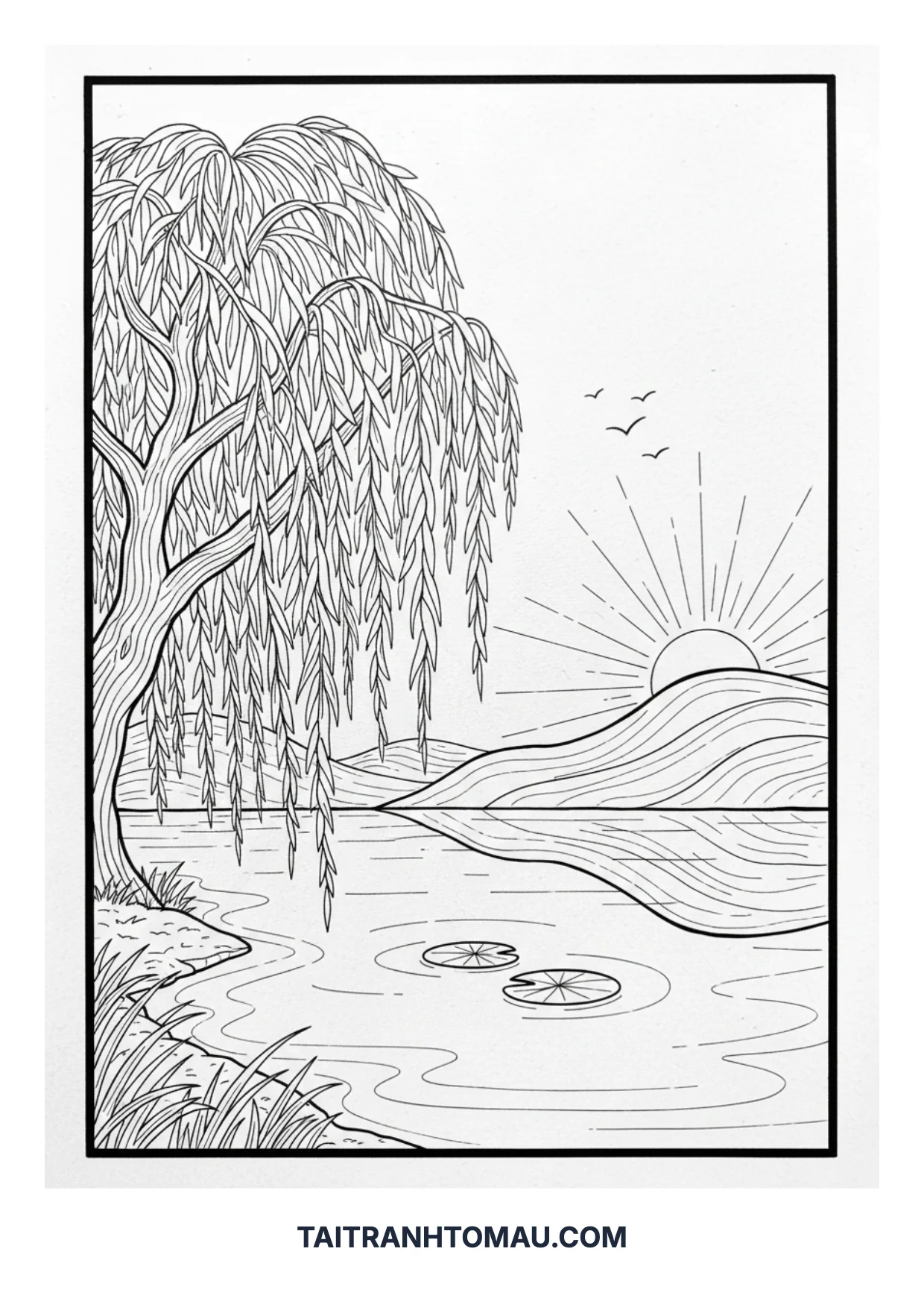
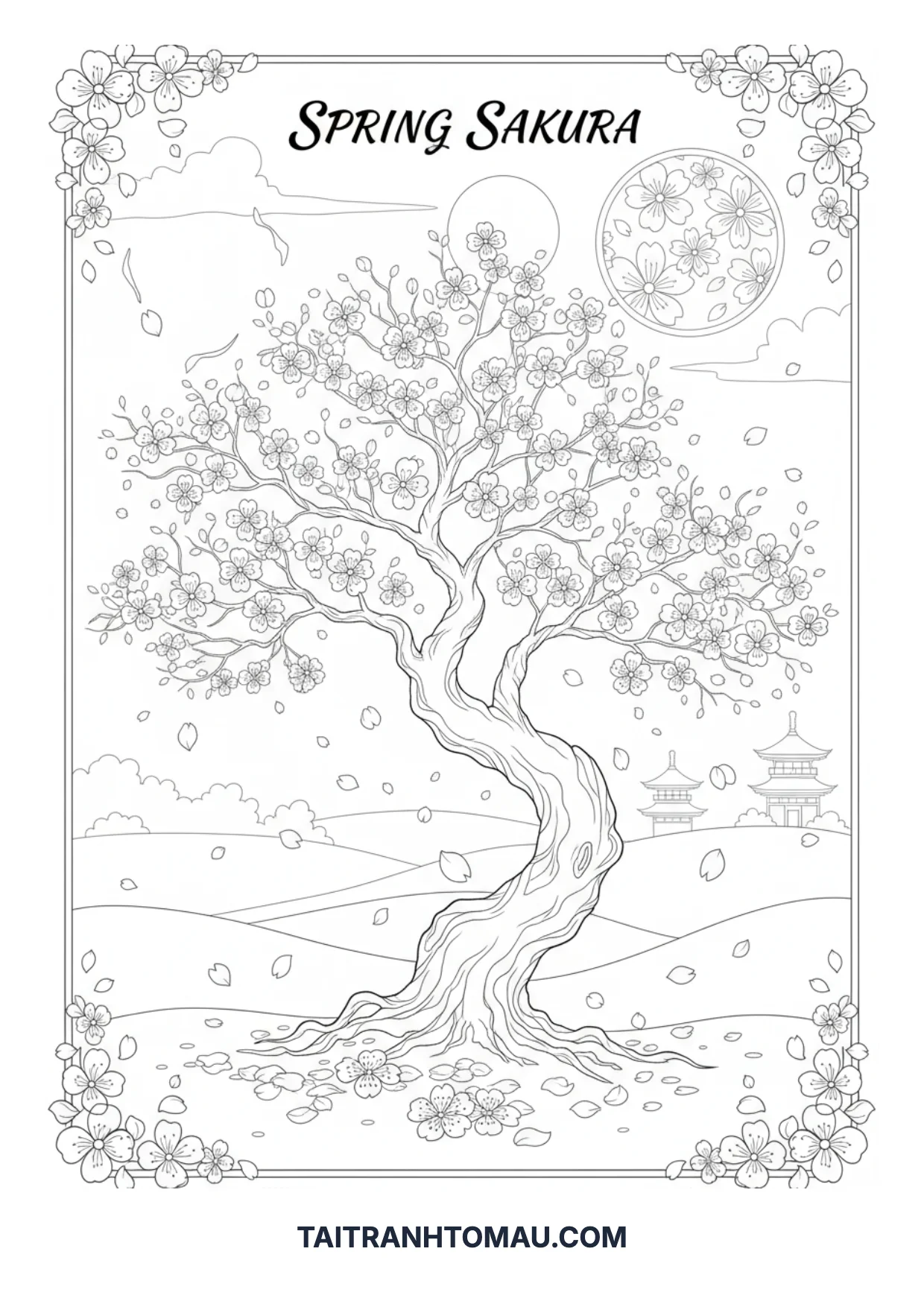
Have you ever noticed how children’s faces light up when they’re playing in a park or visiting the countryside? One of the greatest joys for them is running freely under the cool shade of green trees. Trees are not just a part of nature; they are like giant, protective friends that create beautiful childhood memories. To help your child bring the vibrant forest into your home, Taitranhtomau.com has prepared a diverse and meaningful collection of tree coloring pages. Let’s download and explore them together!
- ✔ Over 50 free, high-quality tree coloring pages.
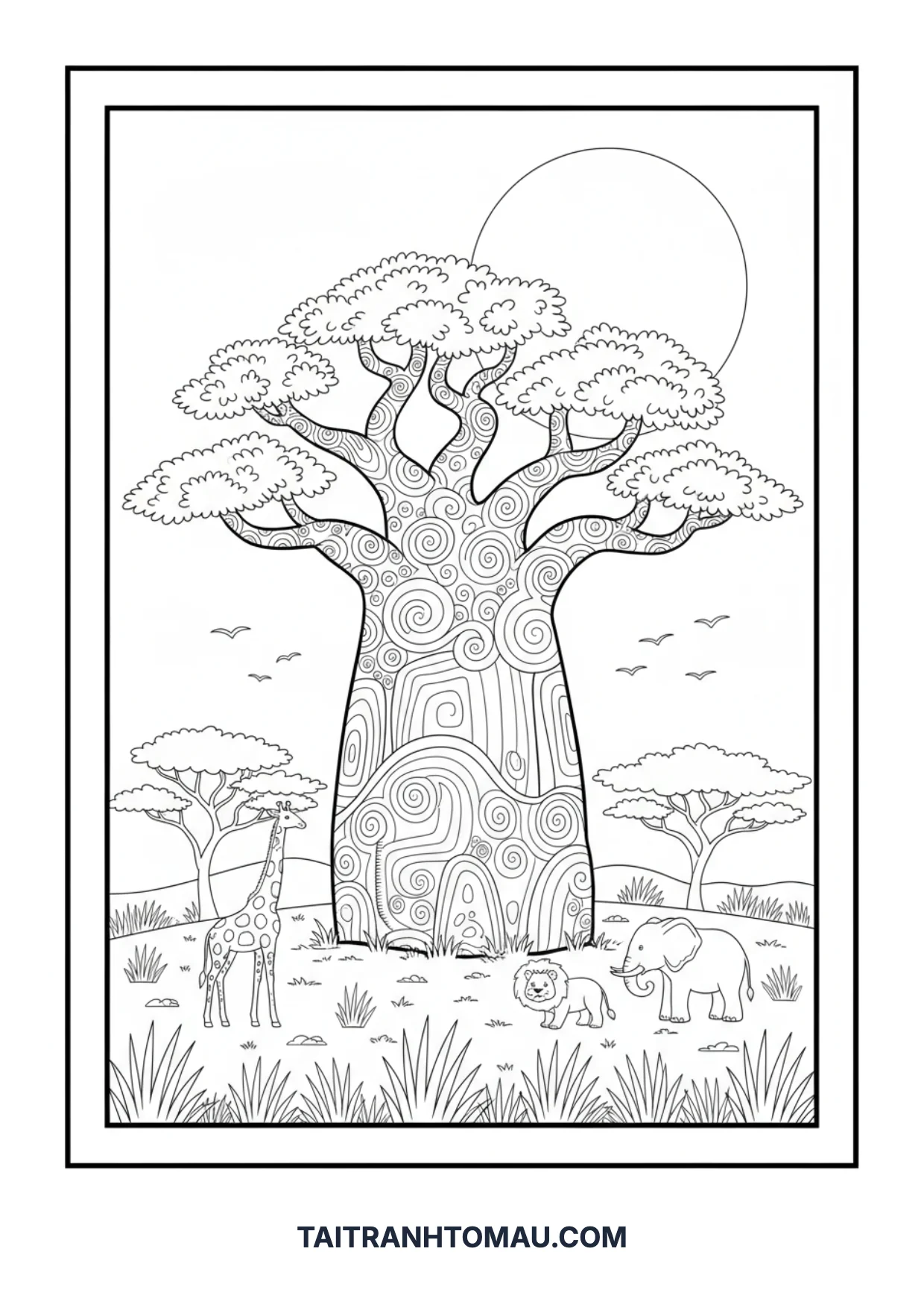
- ✔ Diverse themes: Fruit trees, ancient trees, forests, and trees with animals.
- ✔ Sharp, A4-standard PDF files, easy to print at home.
- ✔ Perfect for kids aged 2-8, fostering creativity and a love for nature.
Simple Tree Coloring Pages for Preschoolers
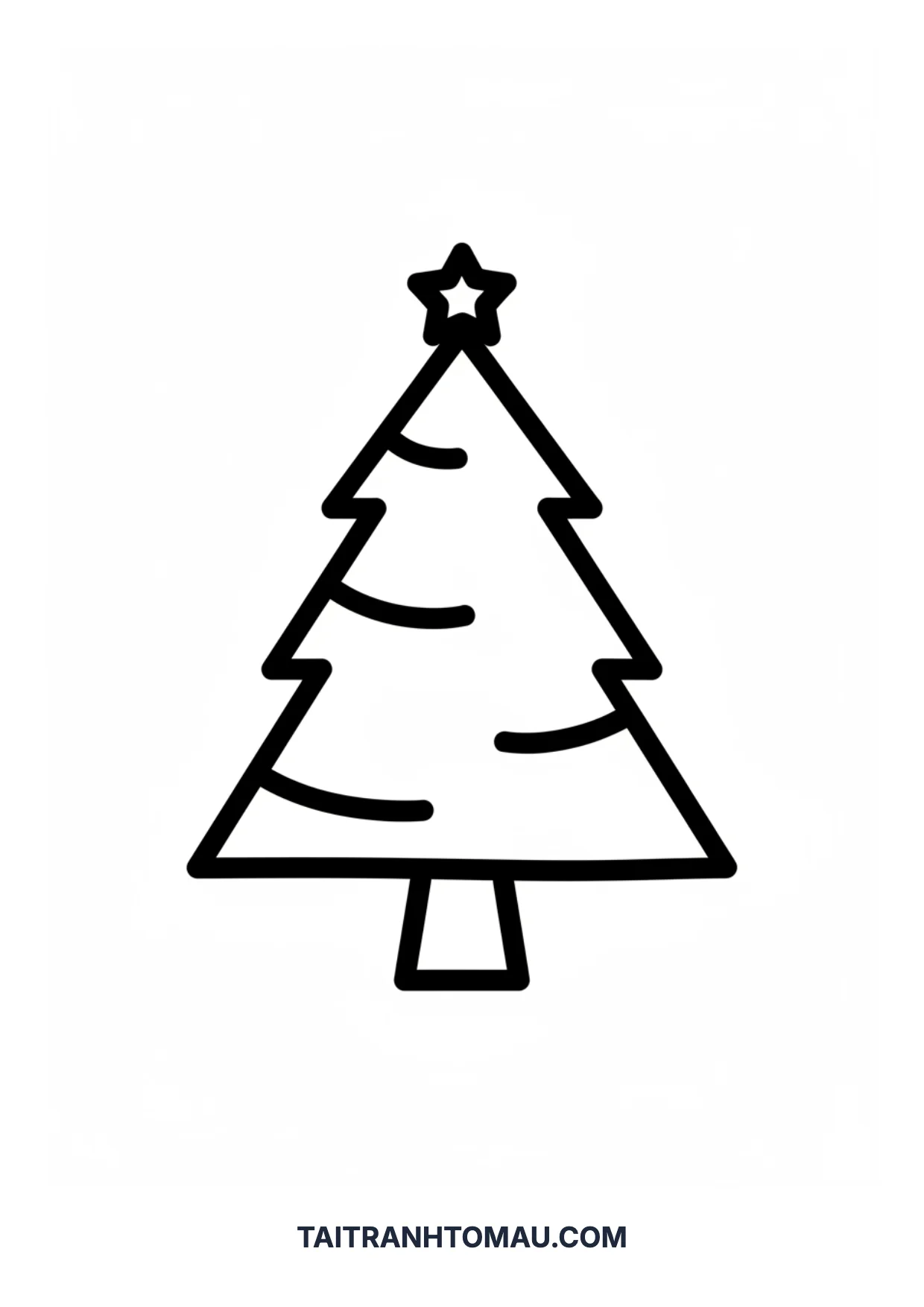
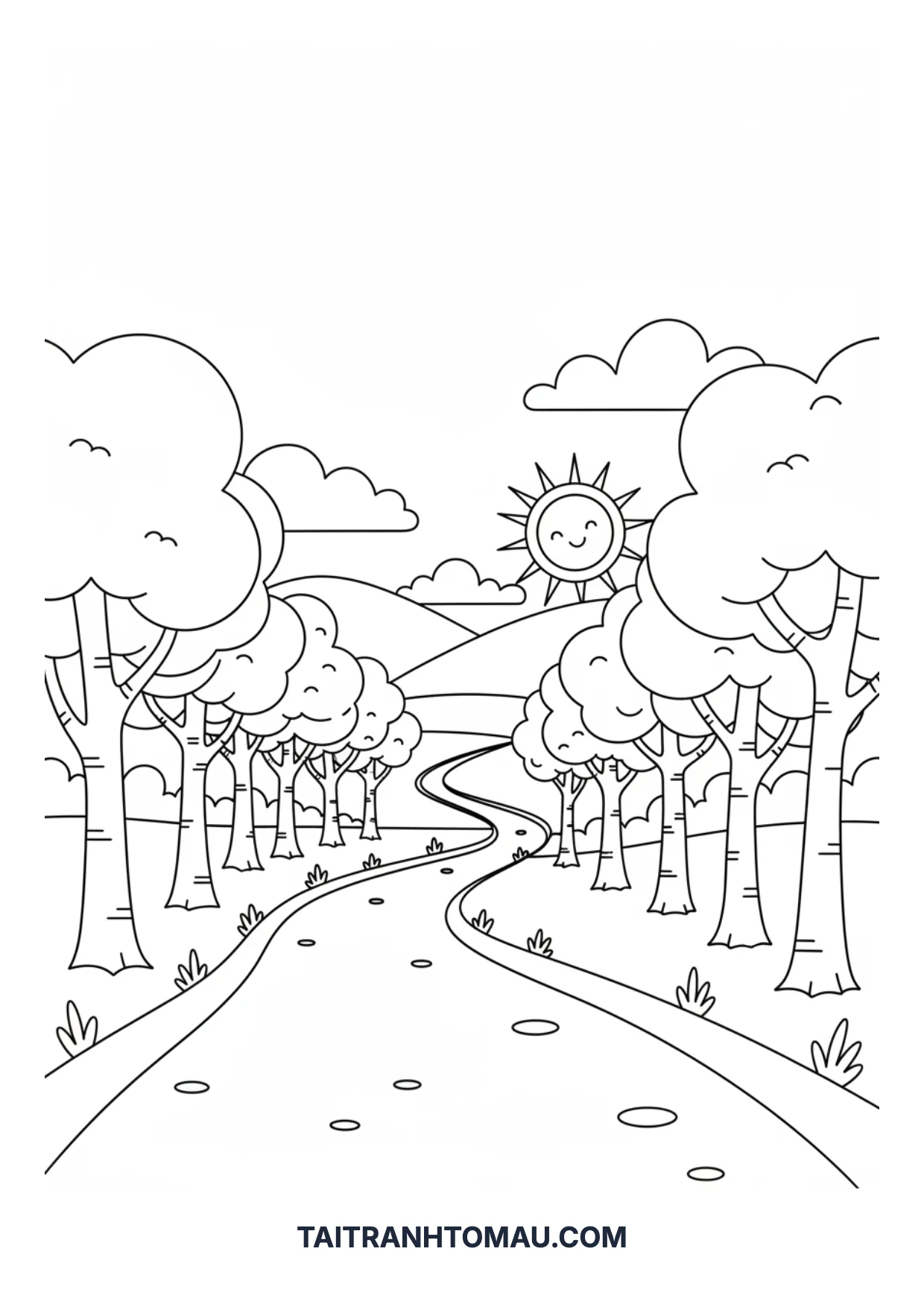
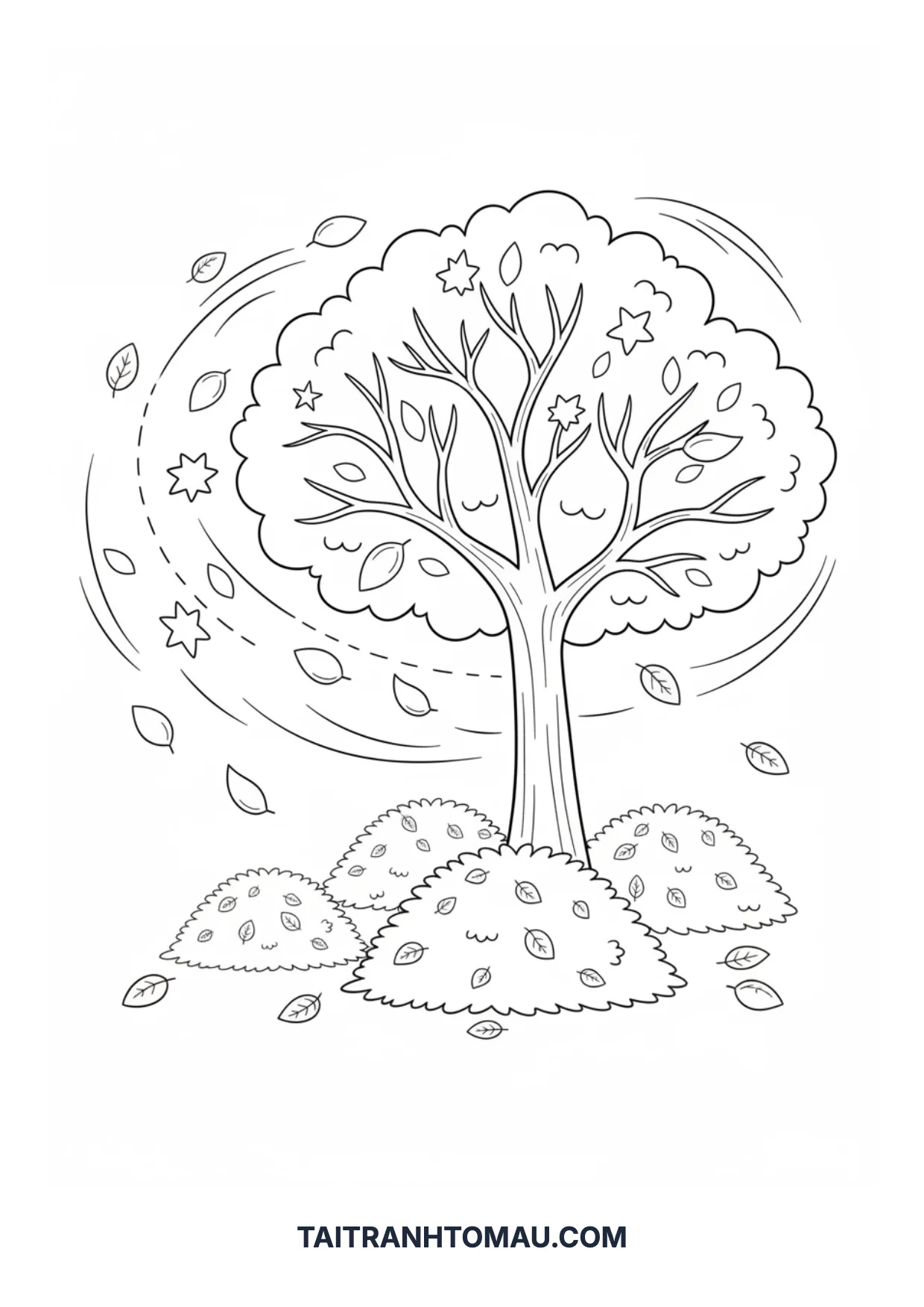
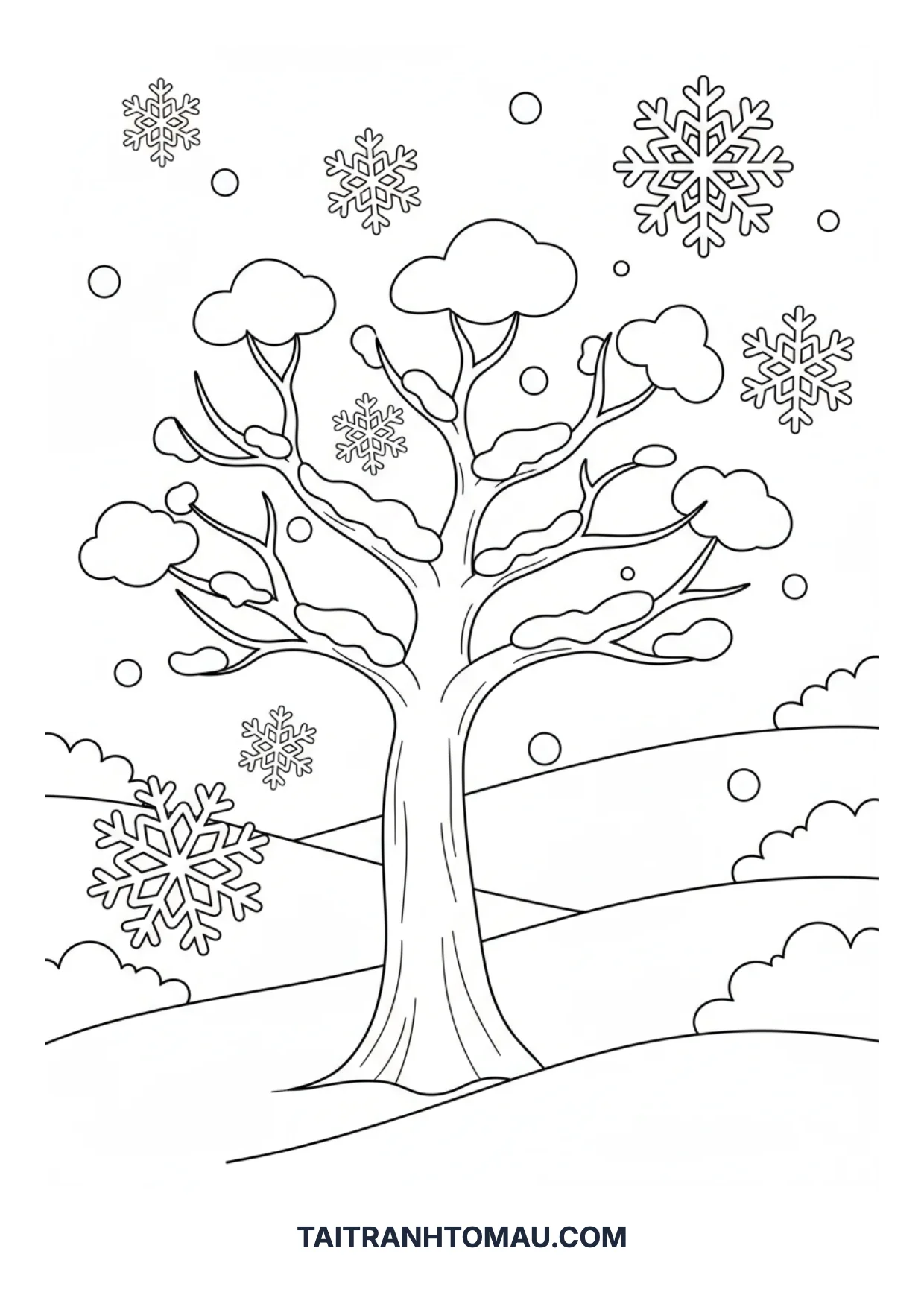
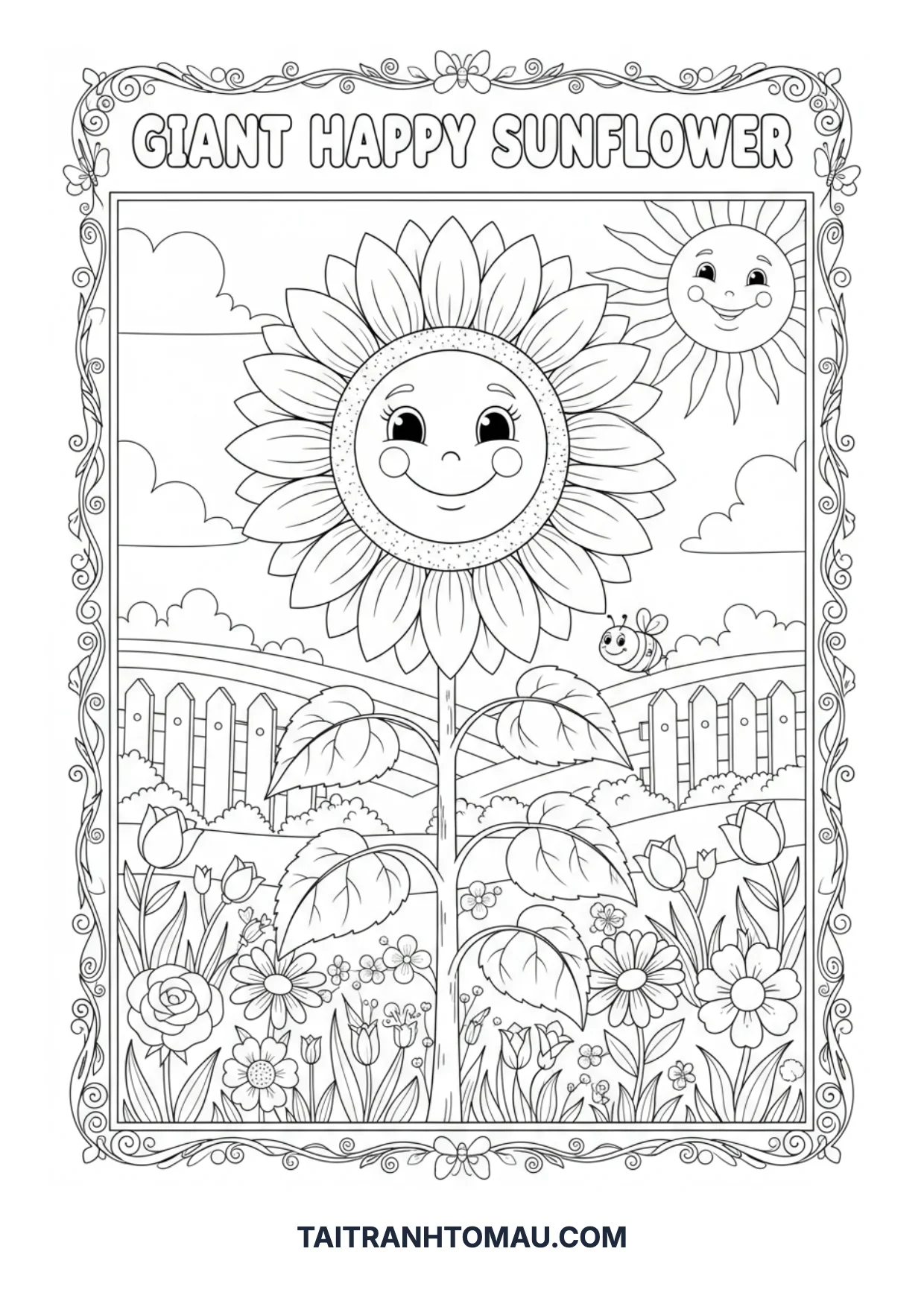
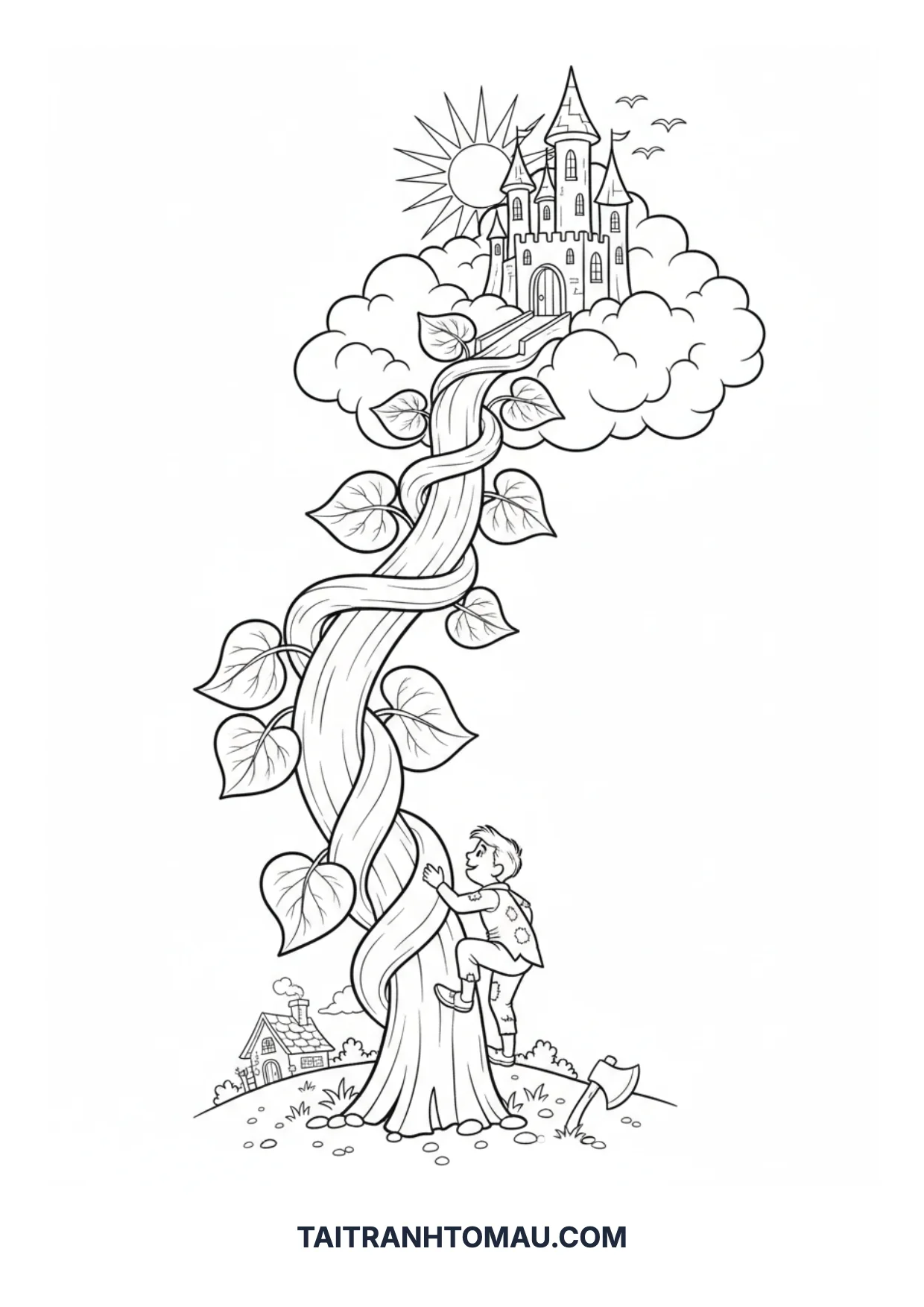
For young children just getting acquainted with crayons (ages 2-4), pictures with large, clear outlines and few small details are the best choice. Let’s start your child’s green journey with these adorable and whimsical tree drawings. Your little one will not only learn how to hold a crayon and color within the lines but also recognize the basic shapes of a tree trunk and canopy.
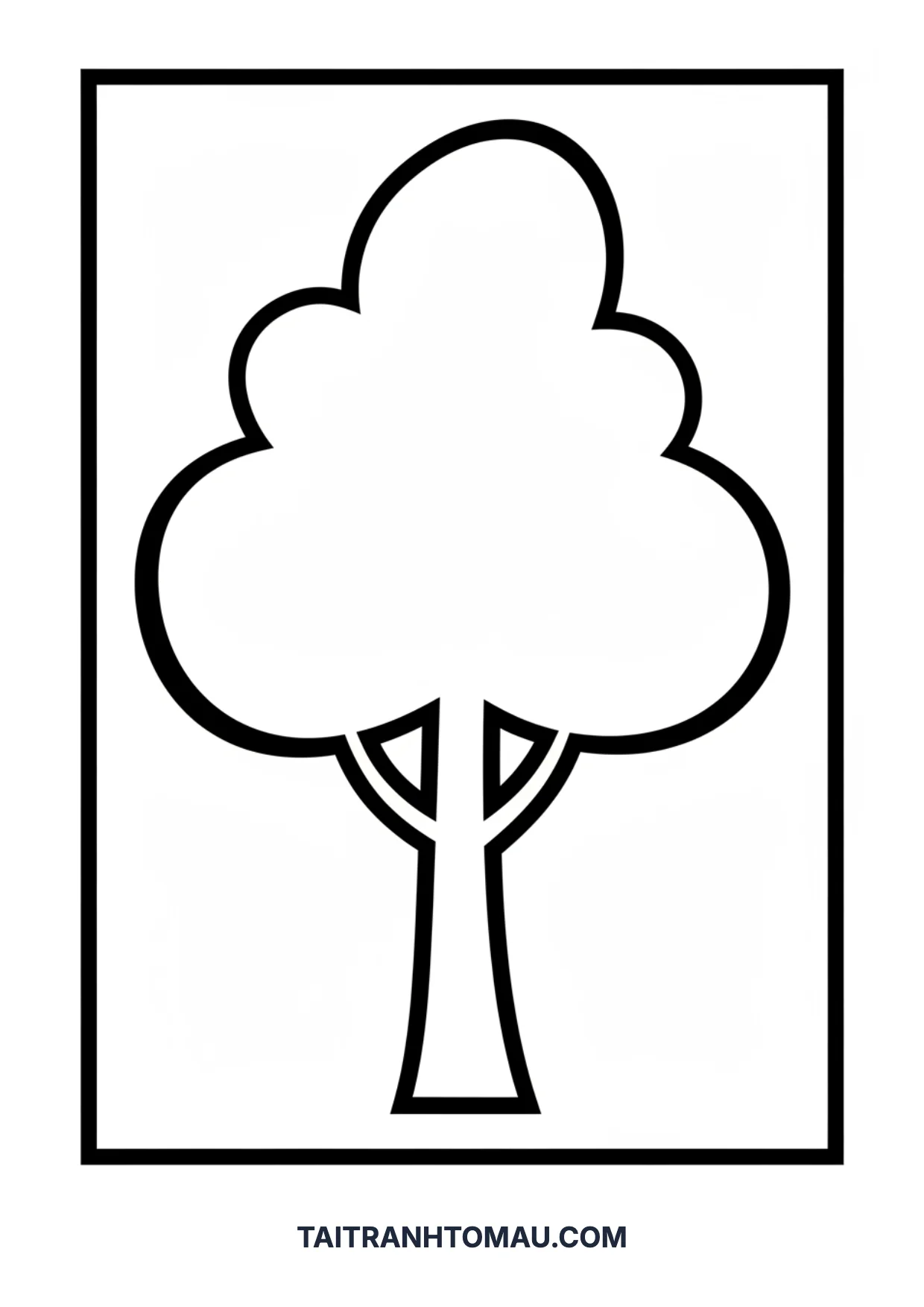
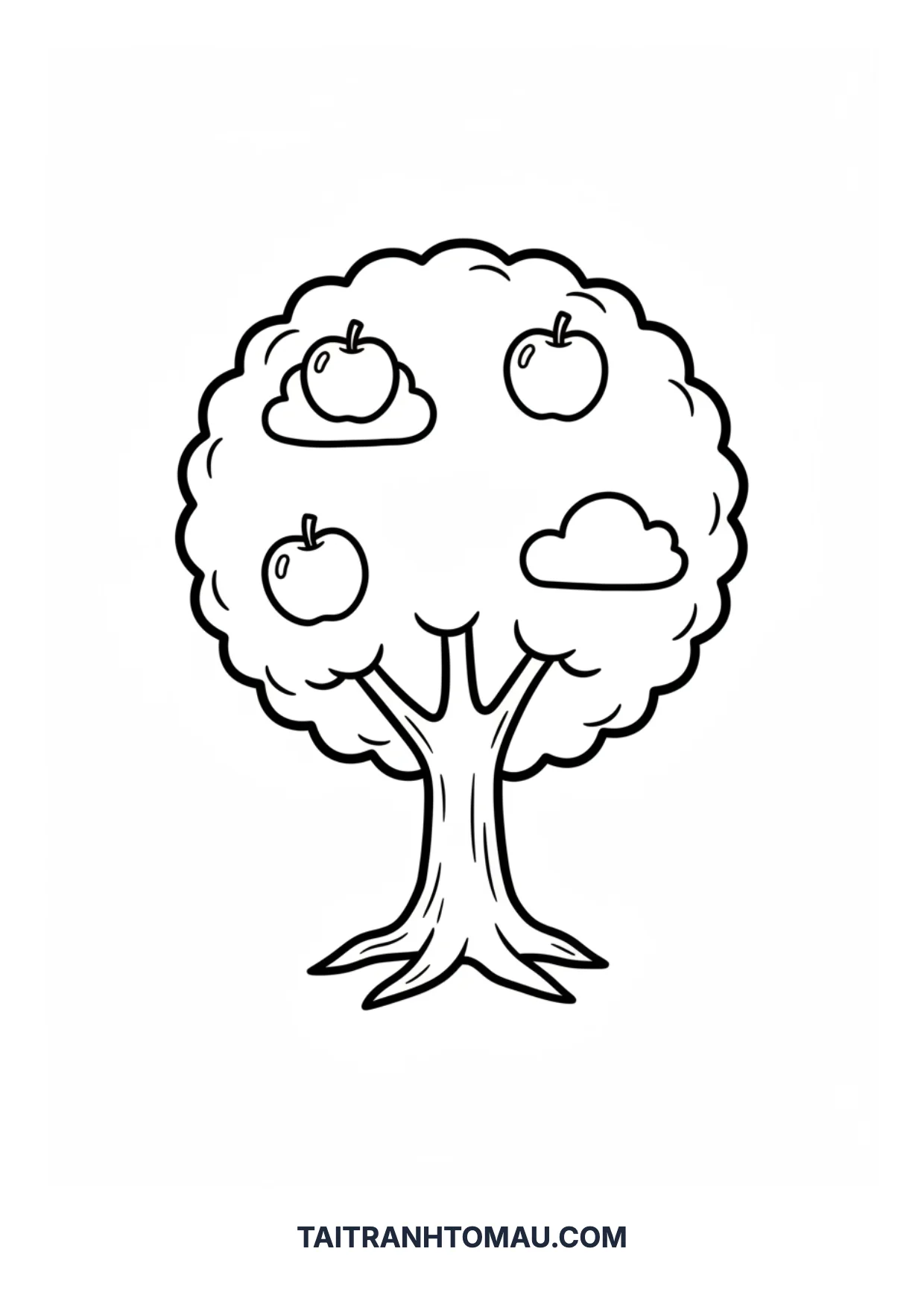
While your child is coloring, you can chat with them: “Honey, this is the tree trunk, let’s color it brown! And what about the leaves? What color are they?”. These small conversations make the activity fun and educational.
Discover an Orchard Through Drawing
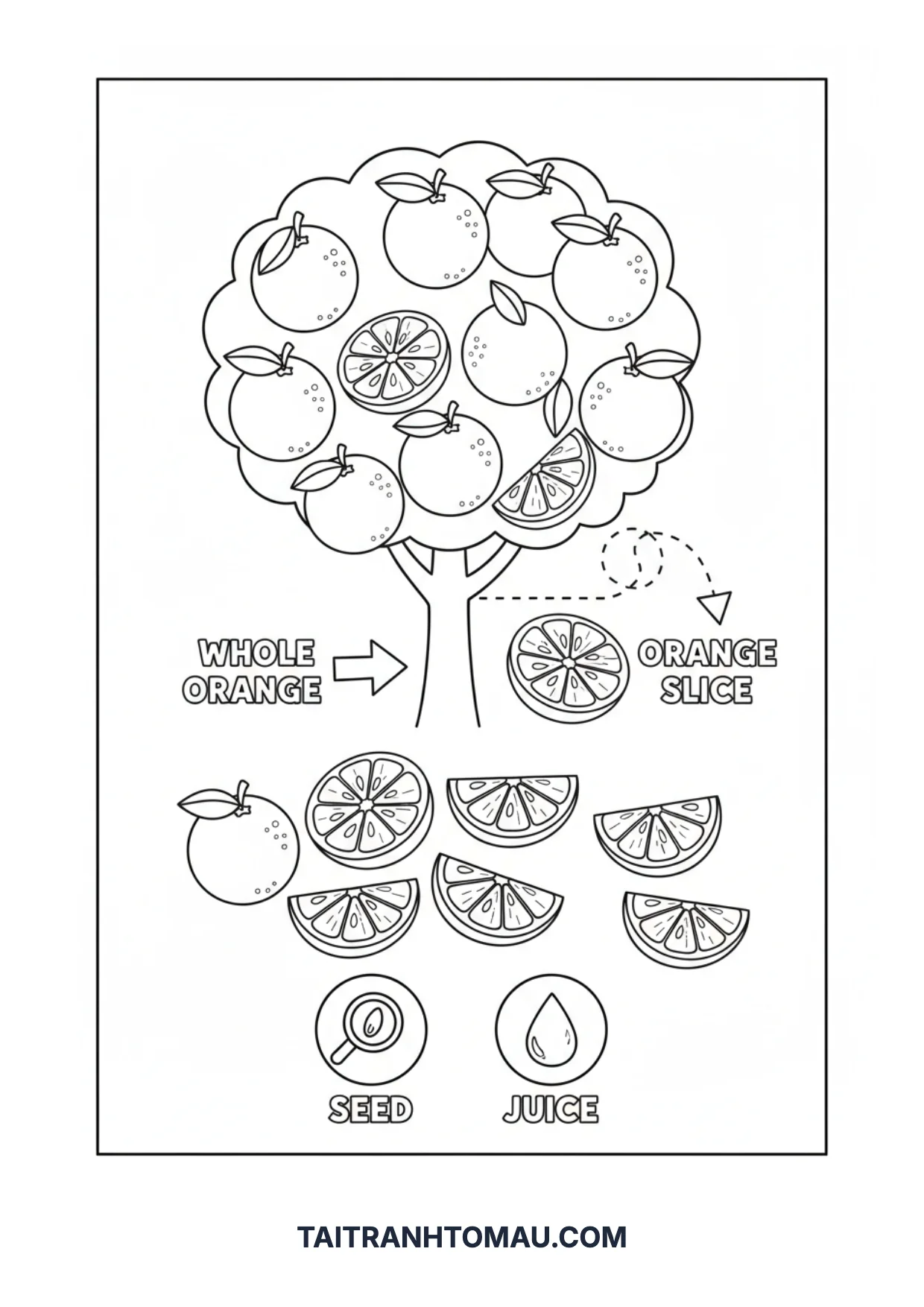
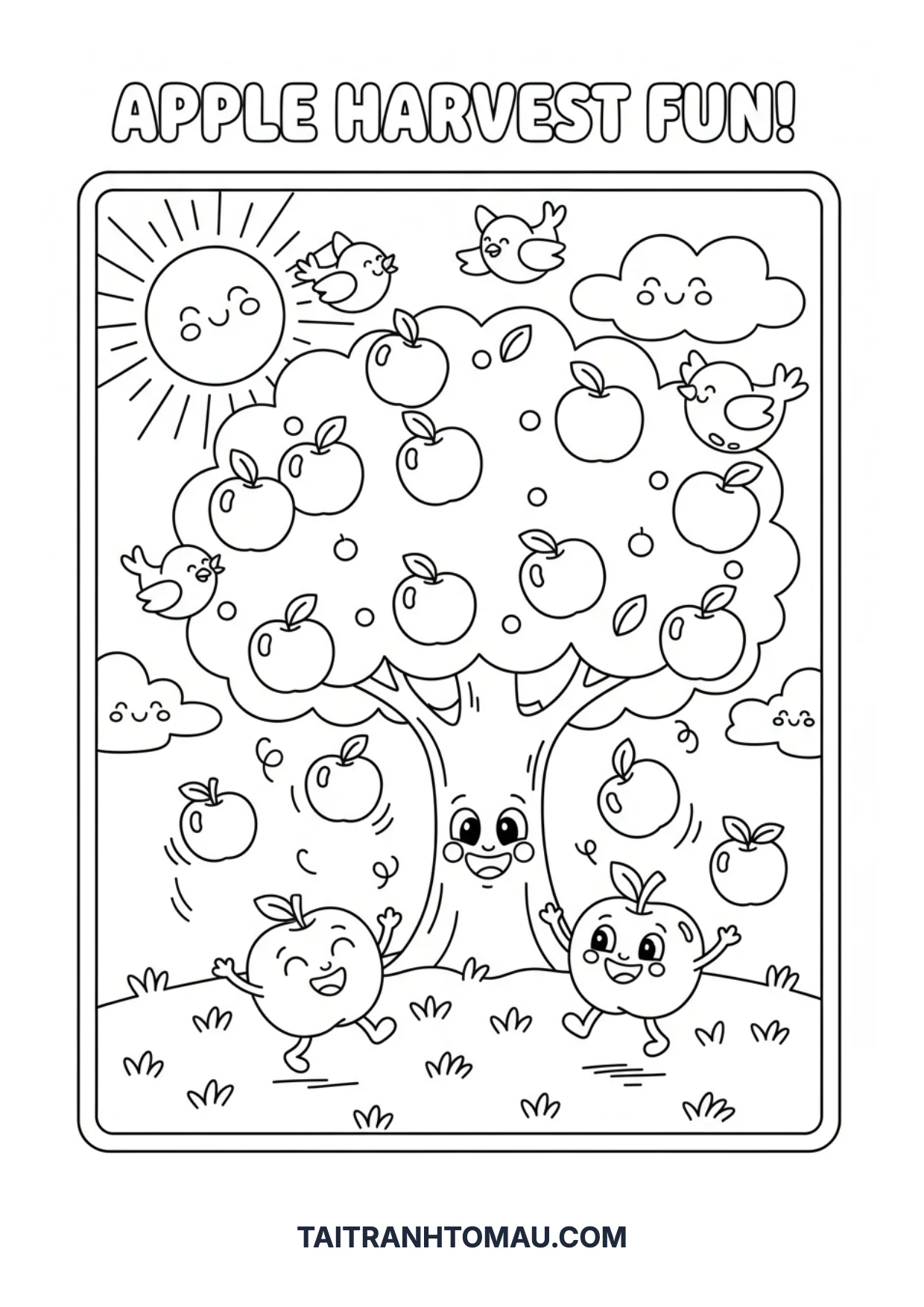
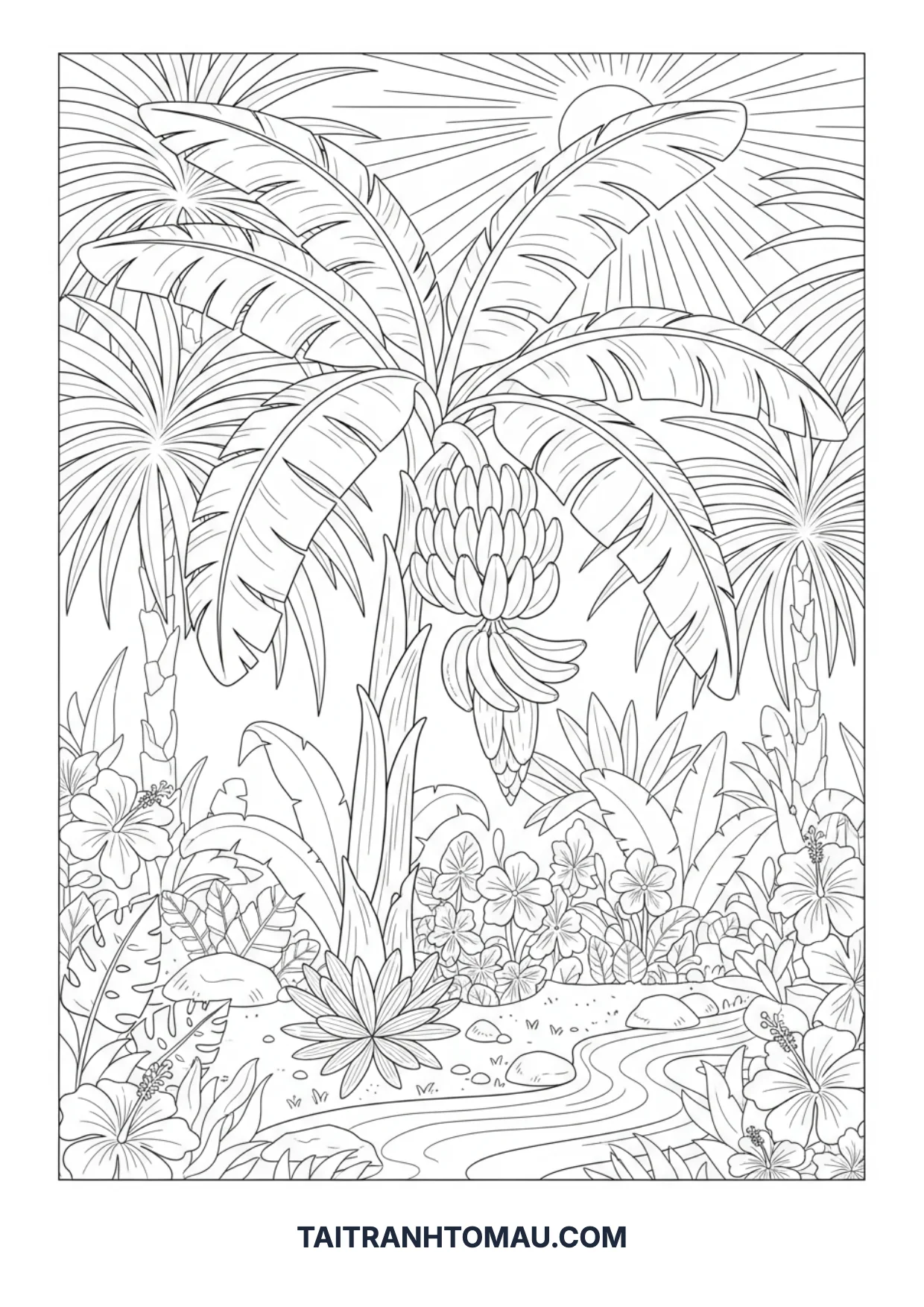
The theme of fruit trees always holds a special fascination for little ones. From apple trees laden with ripe red fruit, to orange trees with their bright yellow bounty, or banana trees with their curved bunches. Coloring these pages is a great opportunity for parents to introduce their children to familiar fruits, talk about their tastes and benefits, and encourage them to eat more fruit. Don’t forget to also check out our collection of delicious fruit coloring pages to enrich your child’s garden!
Trees and Their Animal Friends Coloring Pages
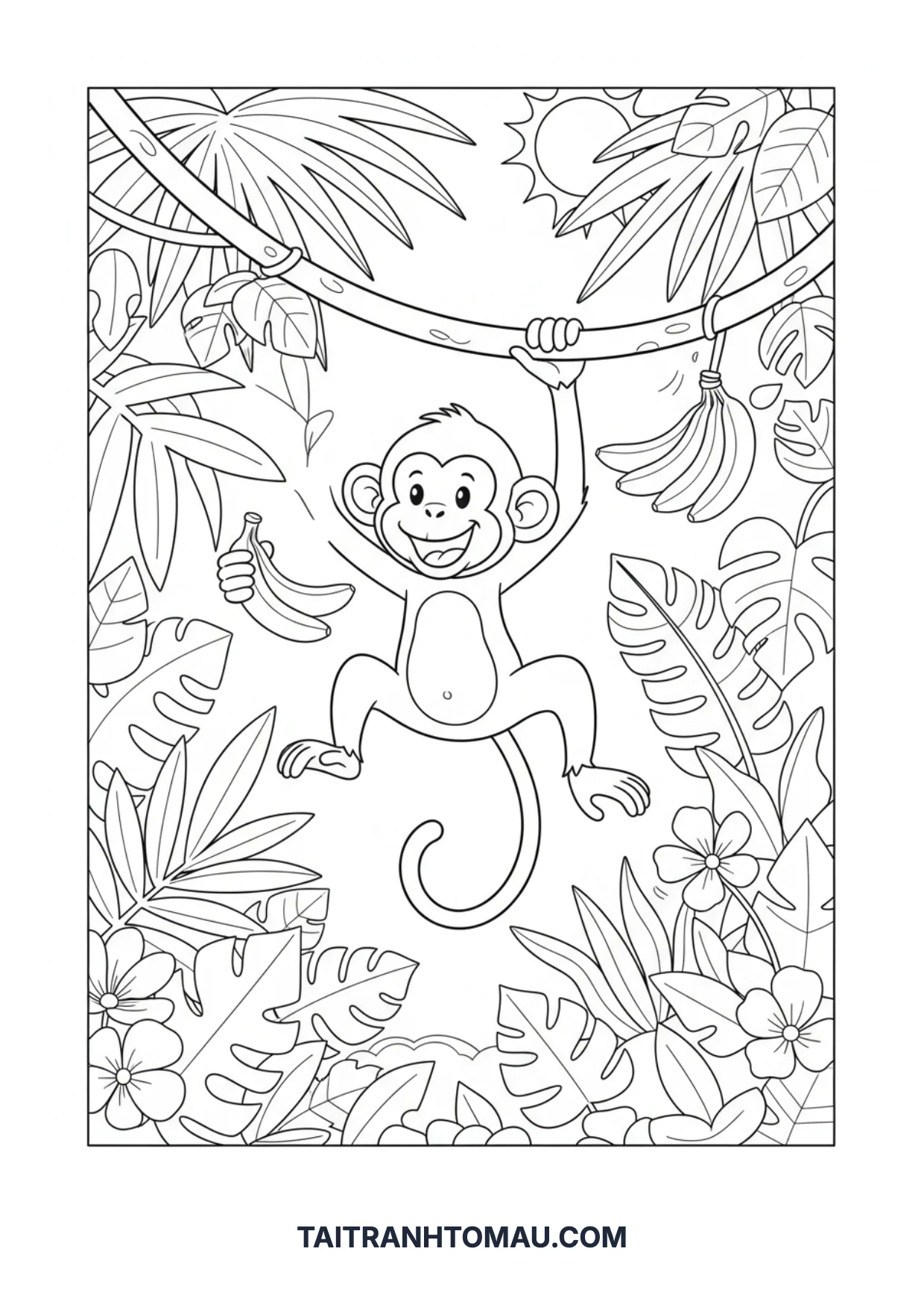
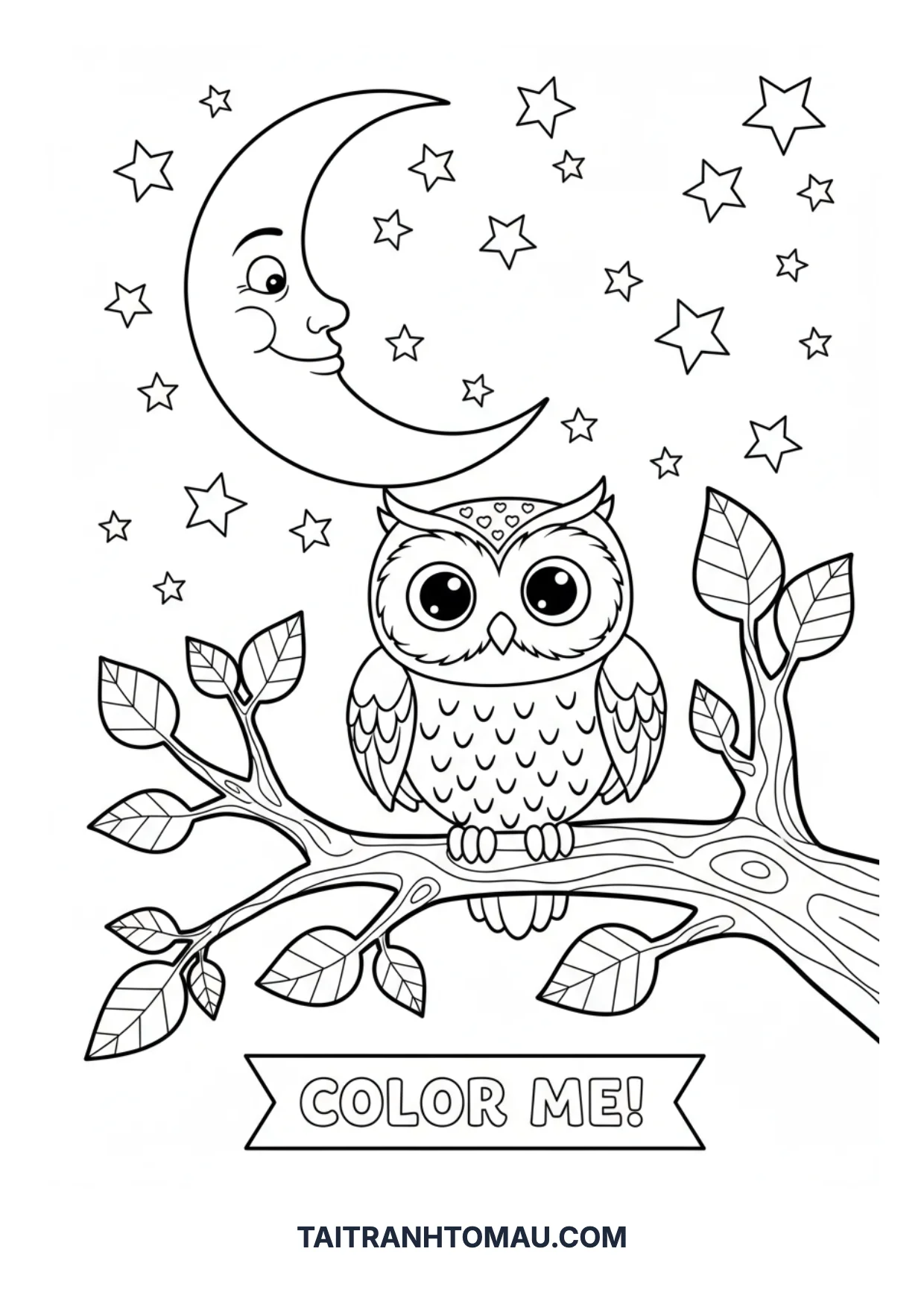
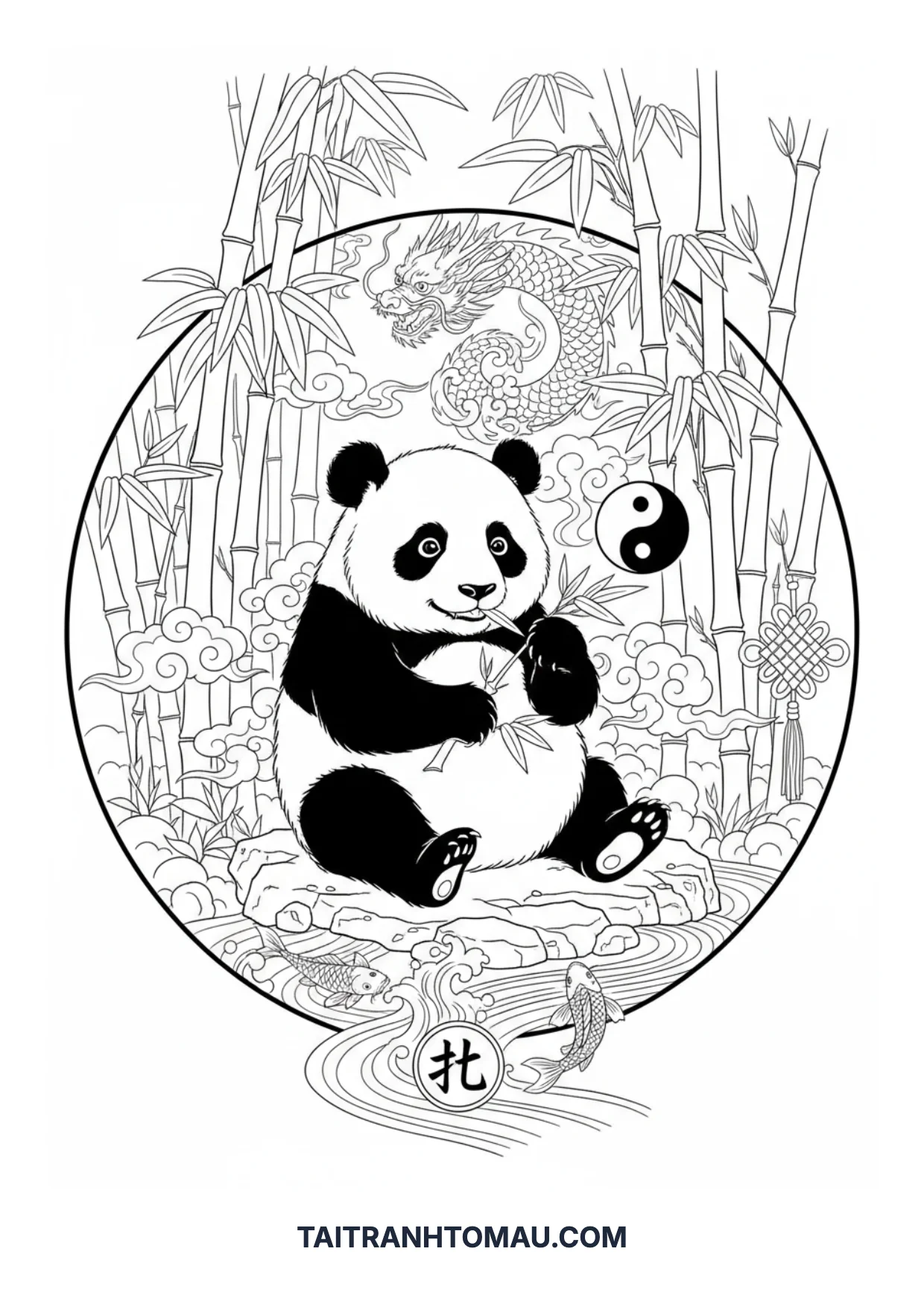
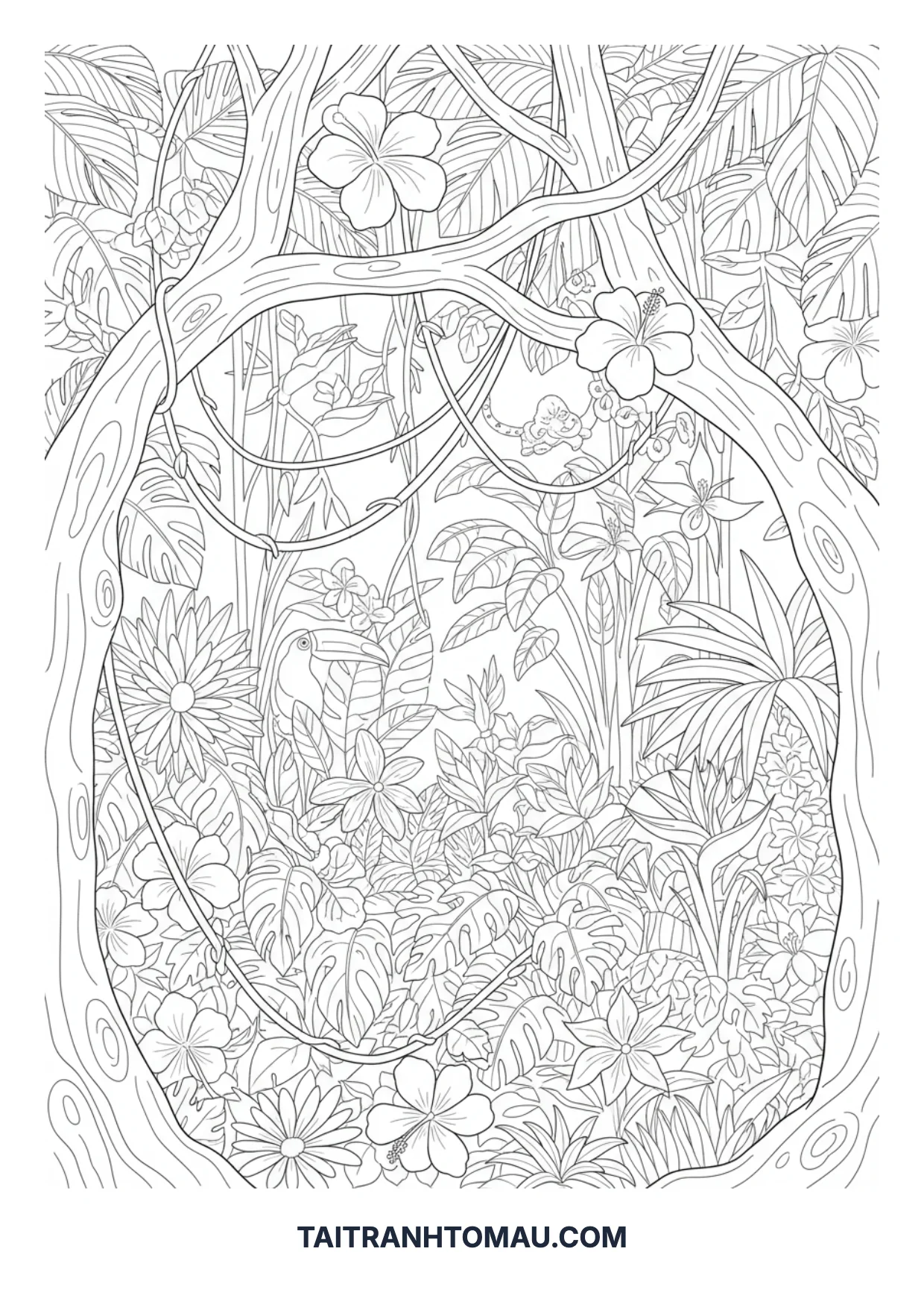
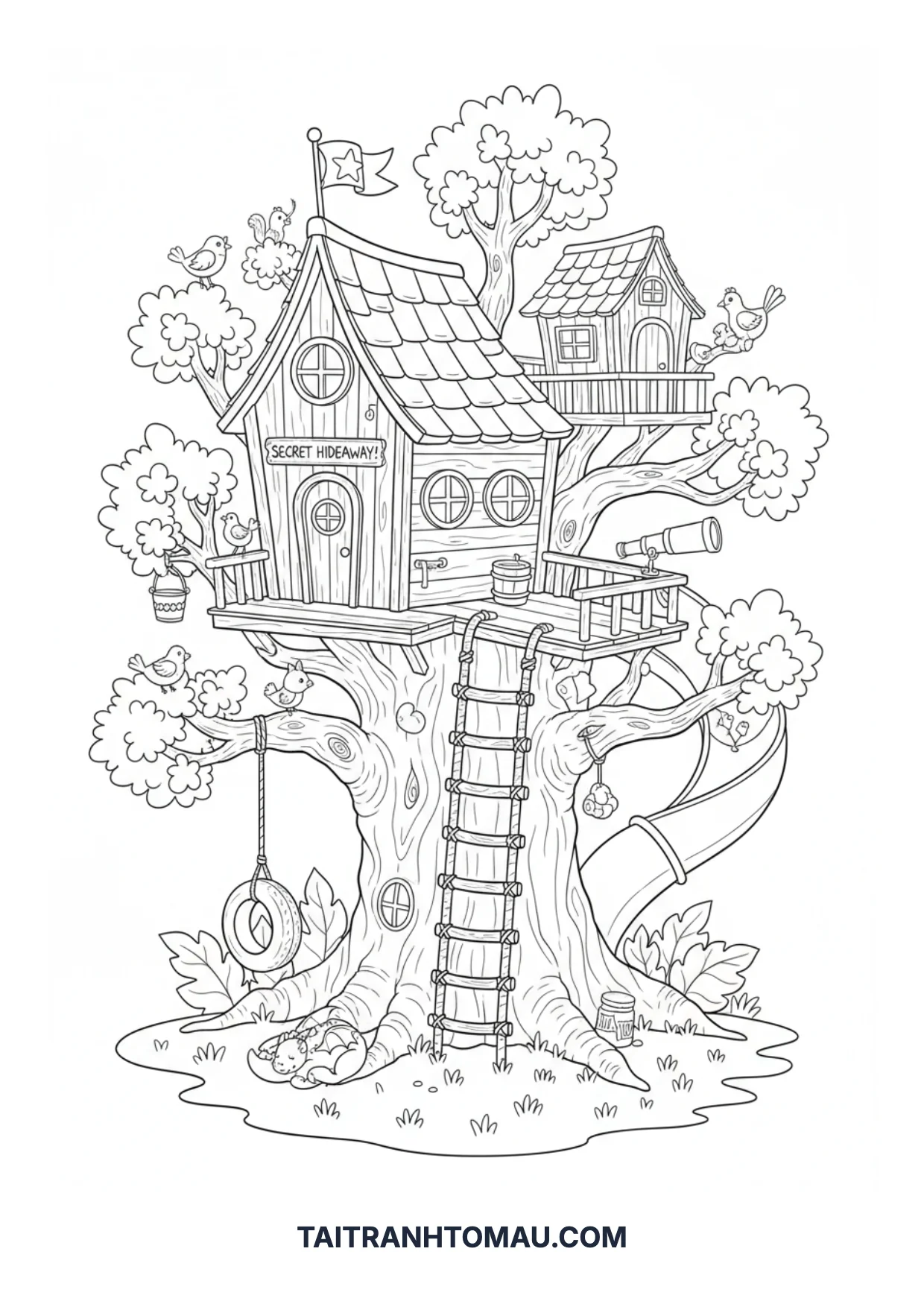
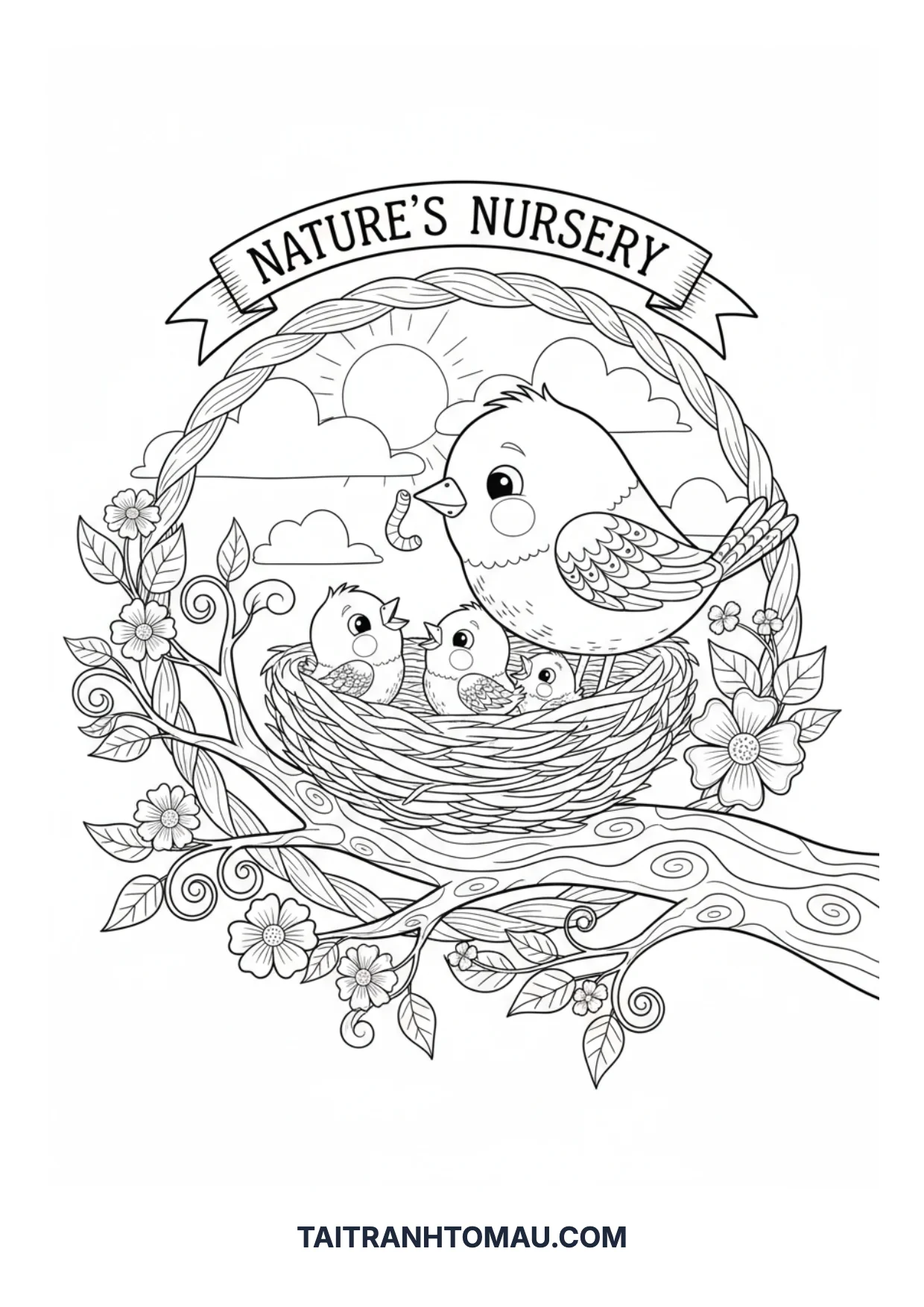
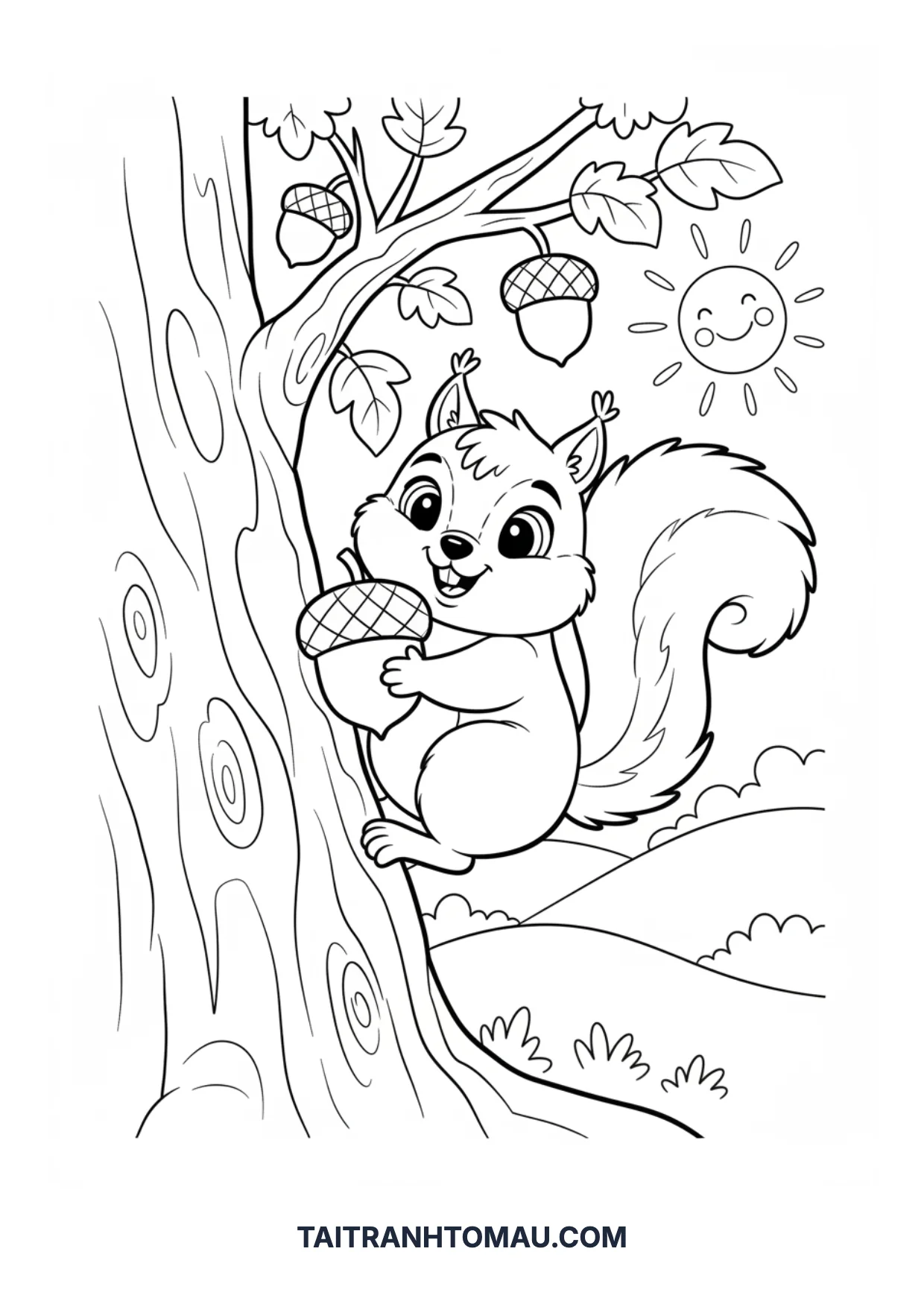
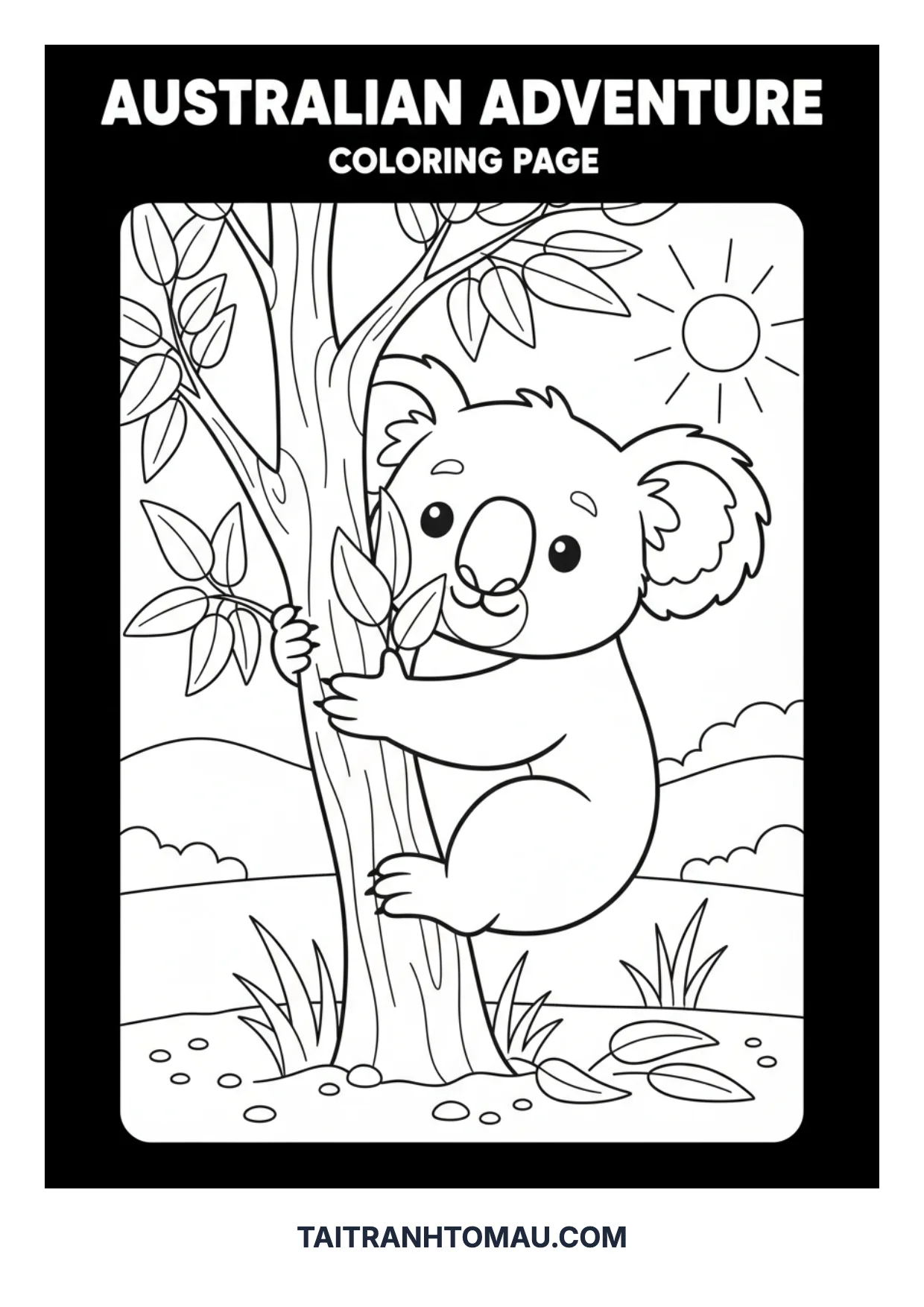
Green trees are a shared home for many cute animal friends. A squirrel hopping from branch to branch, a nest of chirping birds, or a koala bear hugging a tree trunk for a nap… These combined pictures are not only lively but also help children understand the interconnectedness of the natural world.
Sowing Seeds of Consciousness: Coloring and Learning to Protect the Environment
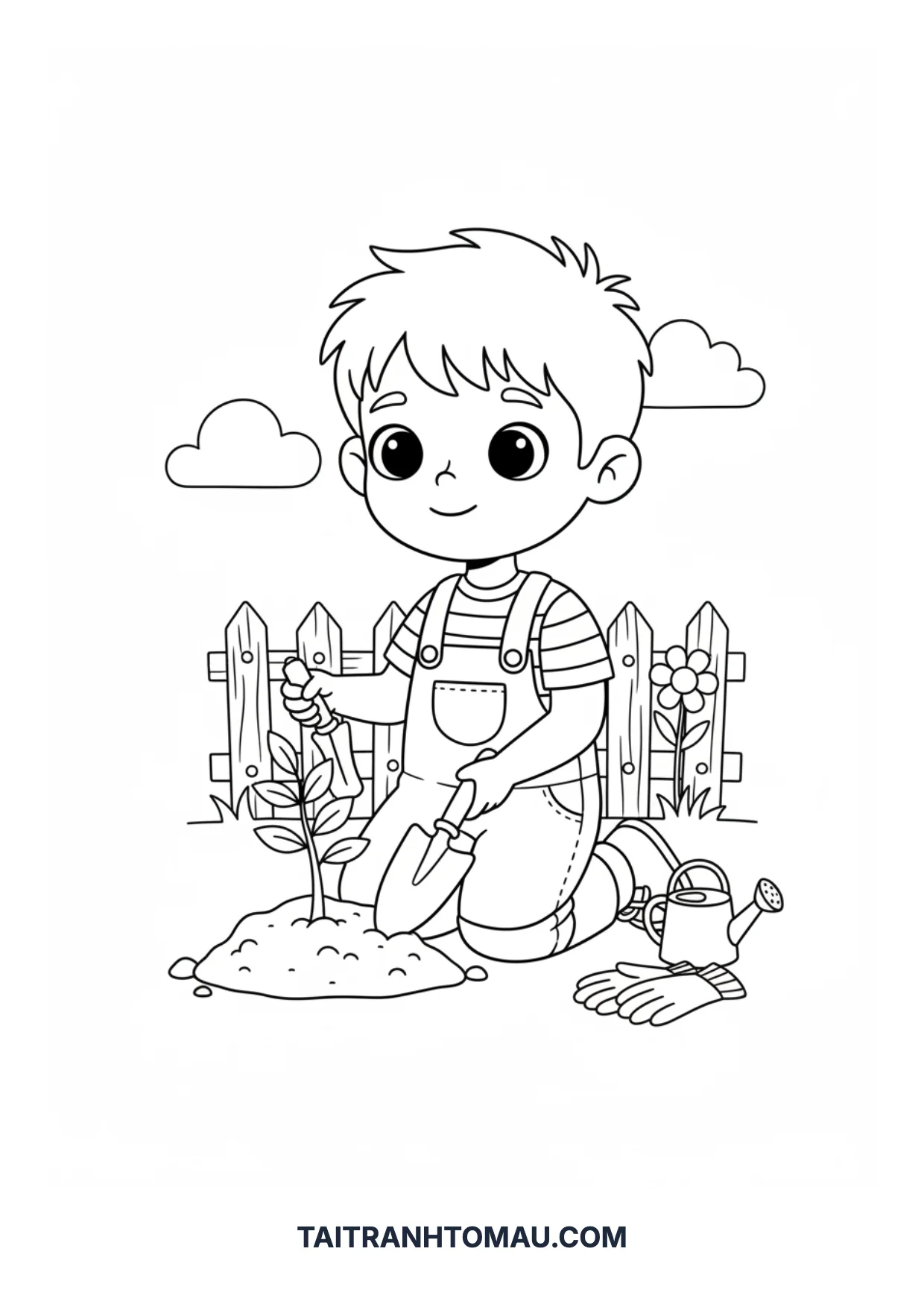
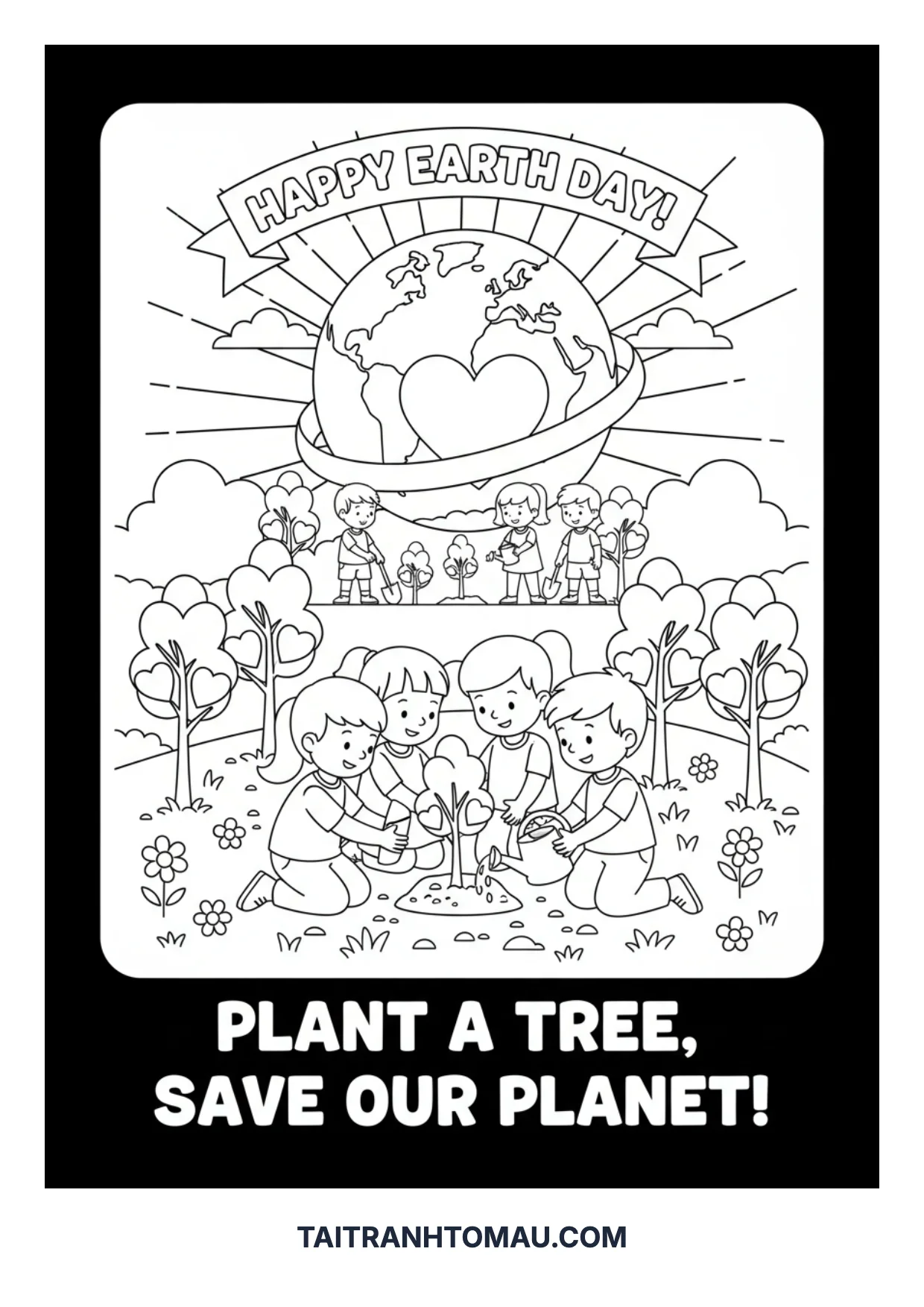
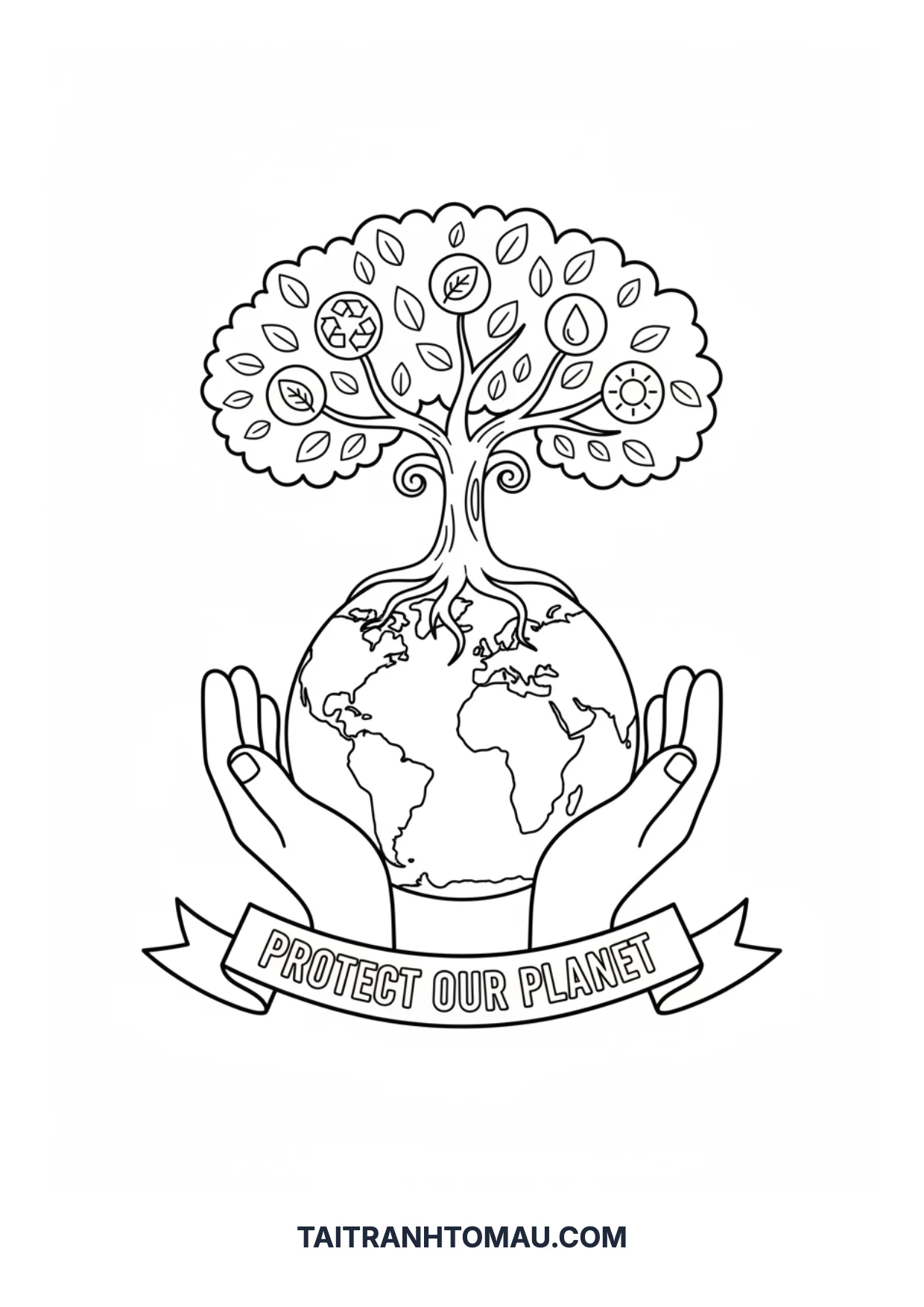
Coloring trees is more than just a recreational activity. It’s a golden opportunity for parents to teach your child about the importance of protecting the environment. Explain that trees provide the oxygen we breathe, are homes for animals, and help keep the air clean. Today’s small lessons will nurture a responsible citizen for the future.
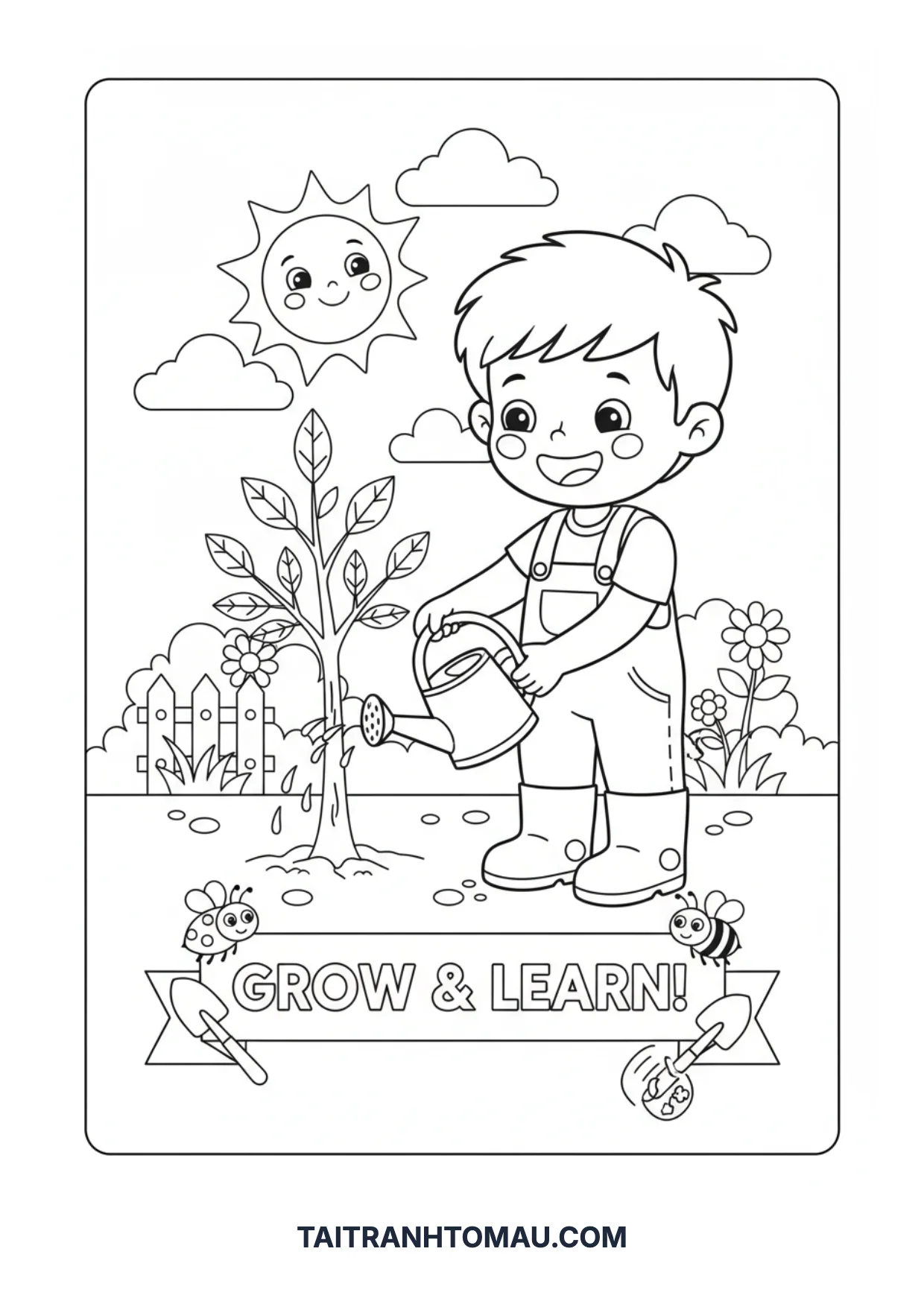
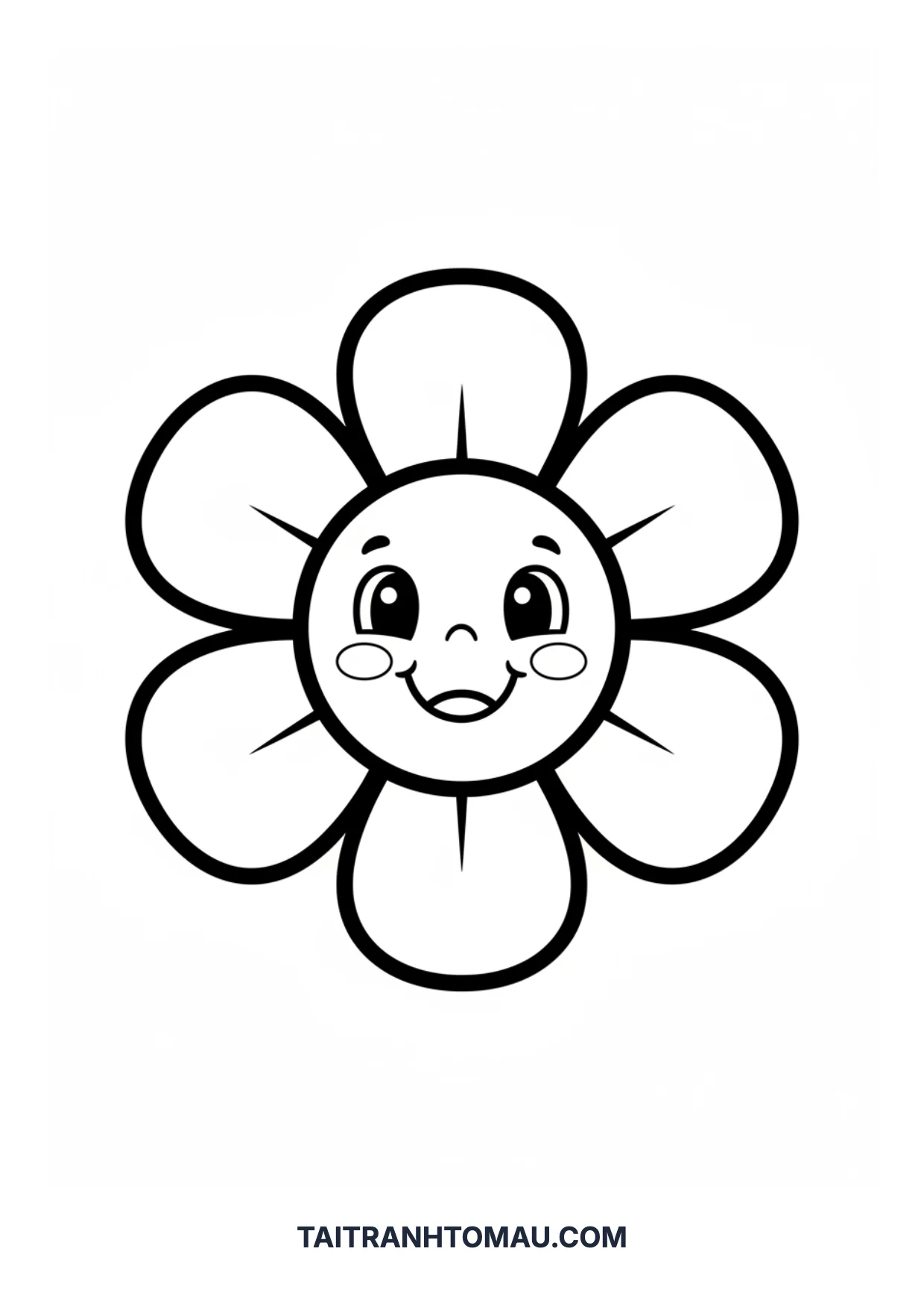
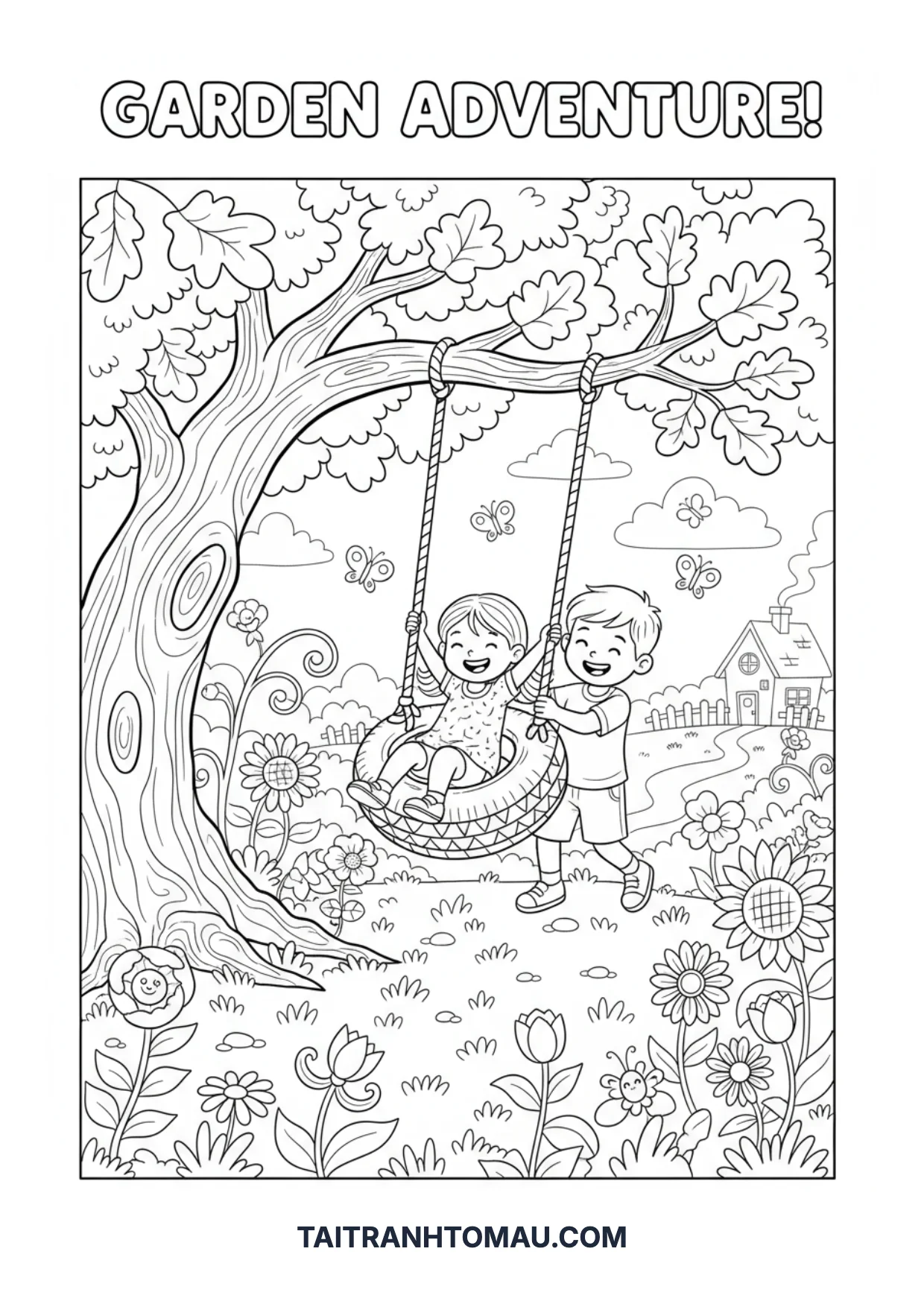
Parents can create a vibrant garden of flowers and trees with their child, then display the finished artwork on a wall in the house. Each completed piece is a sweet reminder of the family’s love for nature and their commitment to protecting our green planet.
Frequently Asked Questions (FAQ)
What skills do children develop by coloring trees?
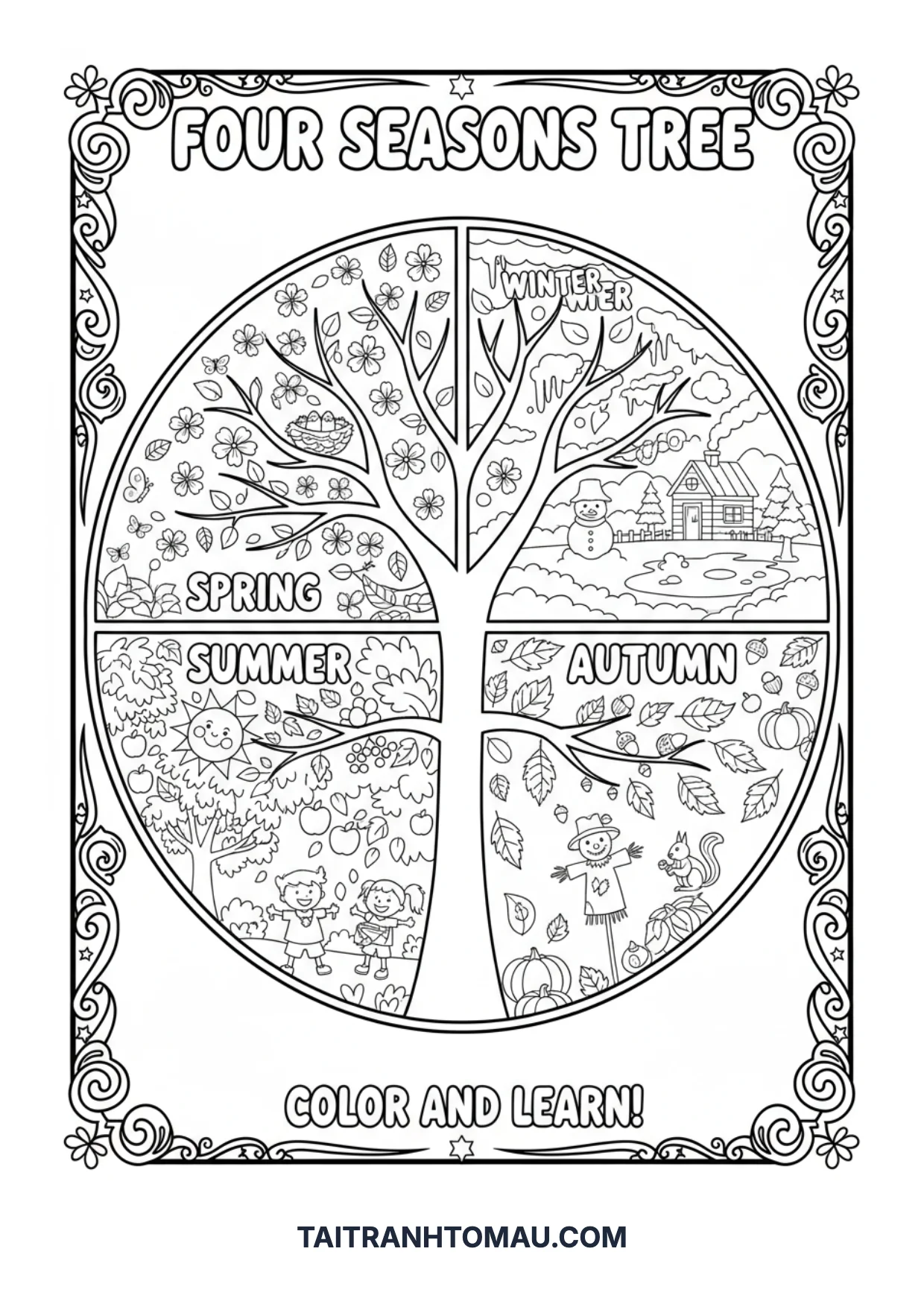
Coloring tree pages helps children develop fine motor skills (hand dexterity), color recognition (different shades of green and brown), and enhances concentration and patience. More importantly, it’s a wonderful way to educate them about the natural world and foster a love for the environment.
What age group is this collection suitable for?
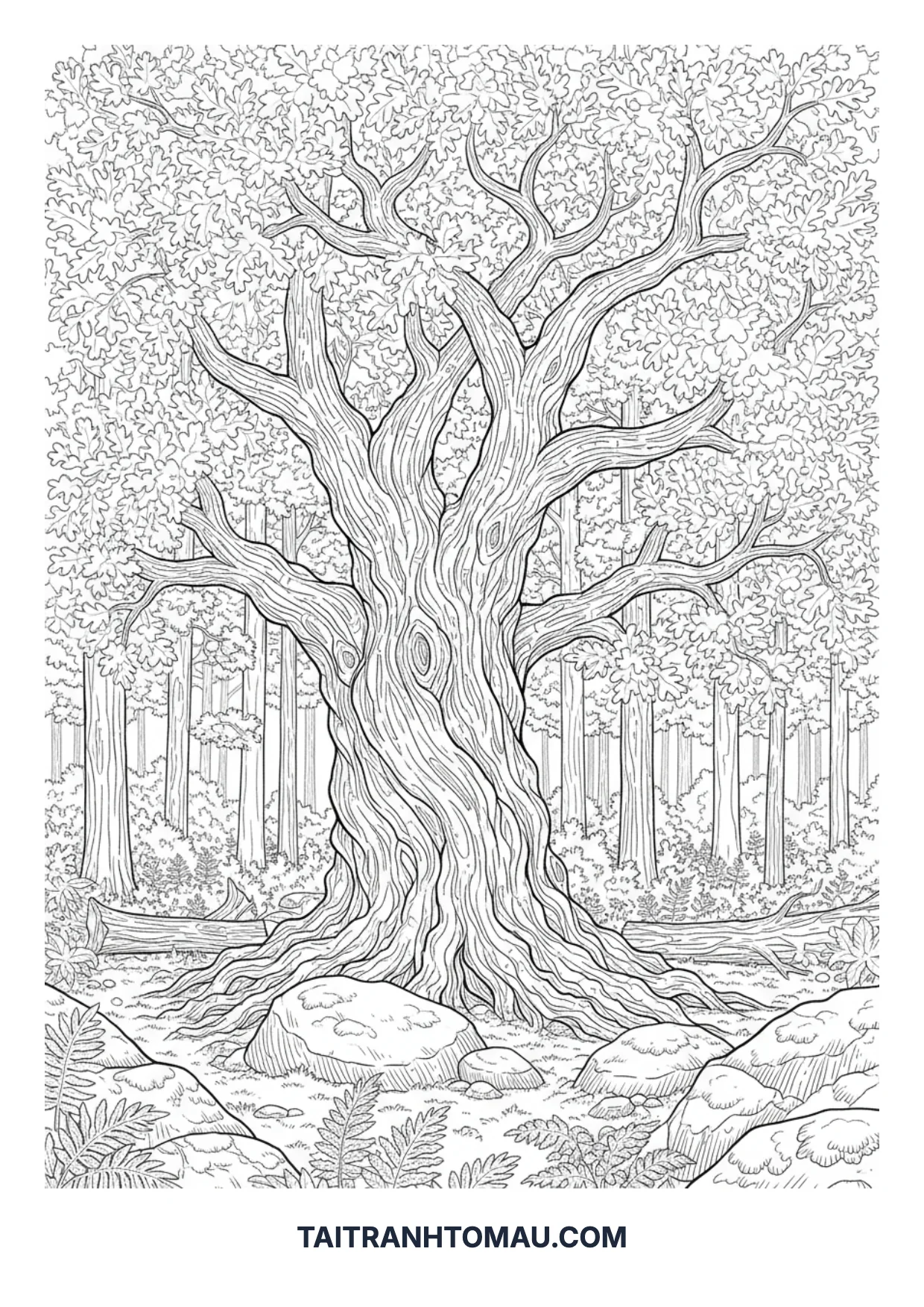
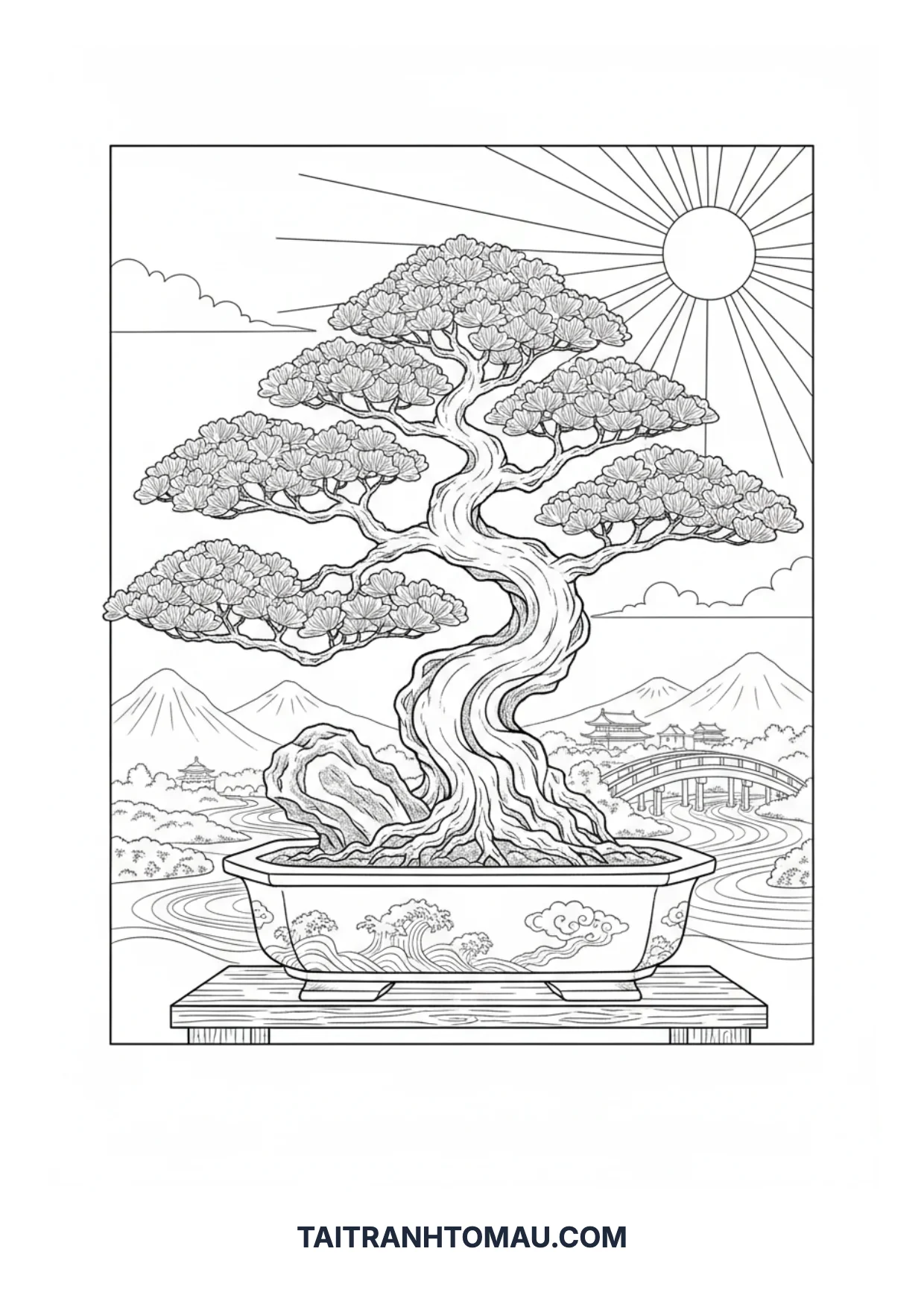
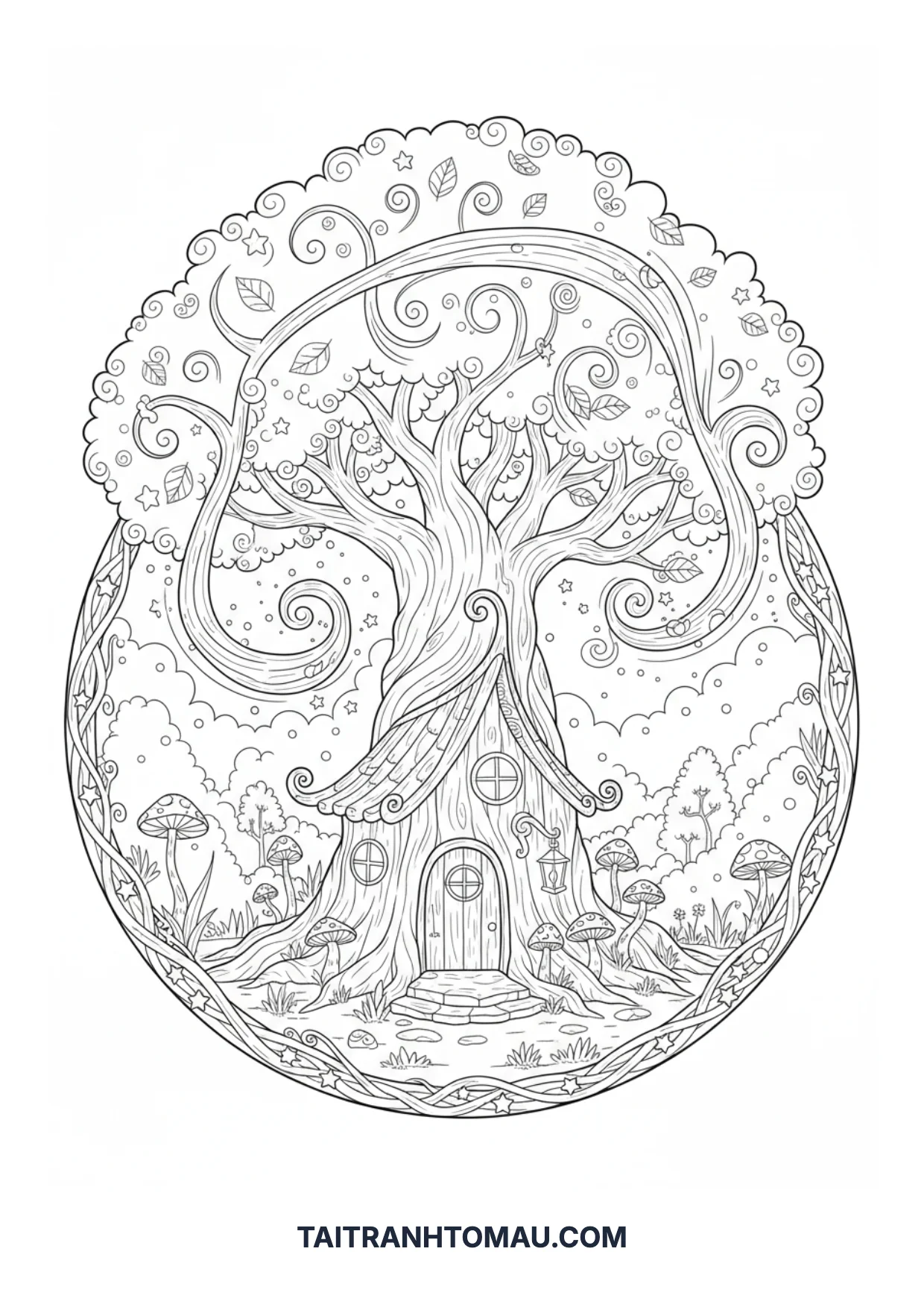
Our collection offers various difficulty levels. The simple, bold-lined pages are perfect for toddlers aged 2-4. More detailed pictures, like forest landscapes or trees with animals, provide an enjoyable challenge for older children aged 5-8.
How can I teach my child about environmental protection through coloring?
While coloring, talk to your child: “Trees give us shade and fresh air to breathe,” “We shouldn’t break branches or pick leaves,” or “Let’s plant more trees to keep our Earth healthy.” These simple conversations will naturally instill environmental awareness in your child.
What type of paper is best for printing these coloring pages?
For the best coloring experience and to preserve the artwork, we recommend using paper with a weight of 120 gsm or higher. This type of paper is thick enough to prevent colors from bleeding through (even with watercolors) and helps colors appear more vibrant.